Introduction
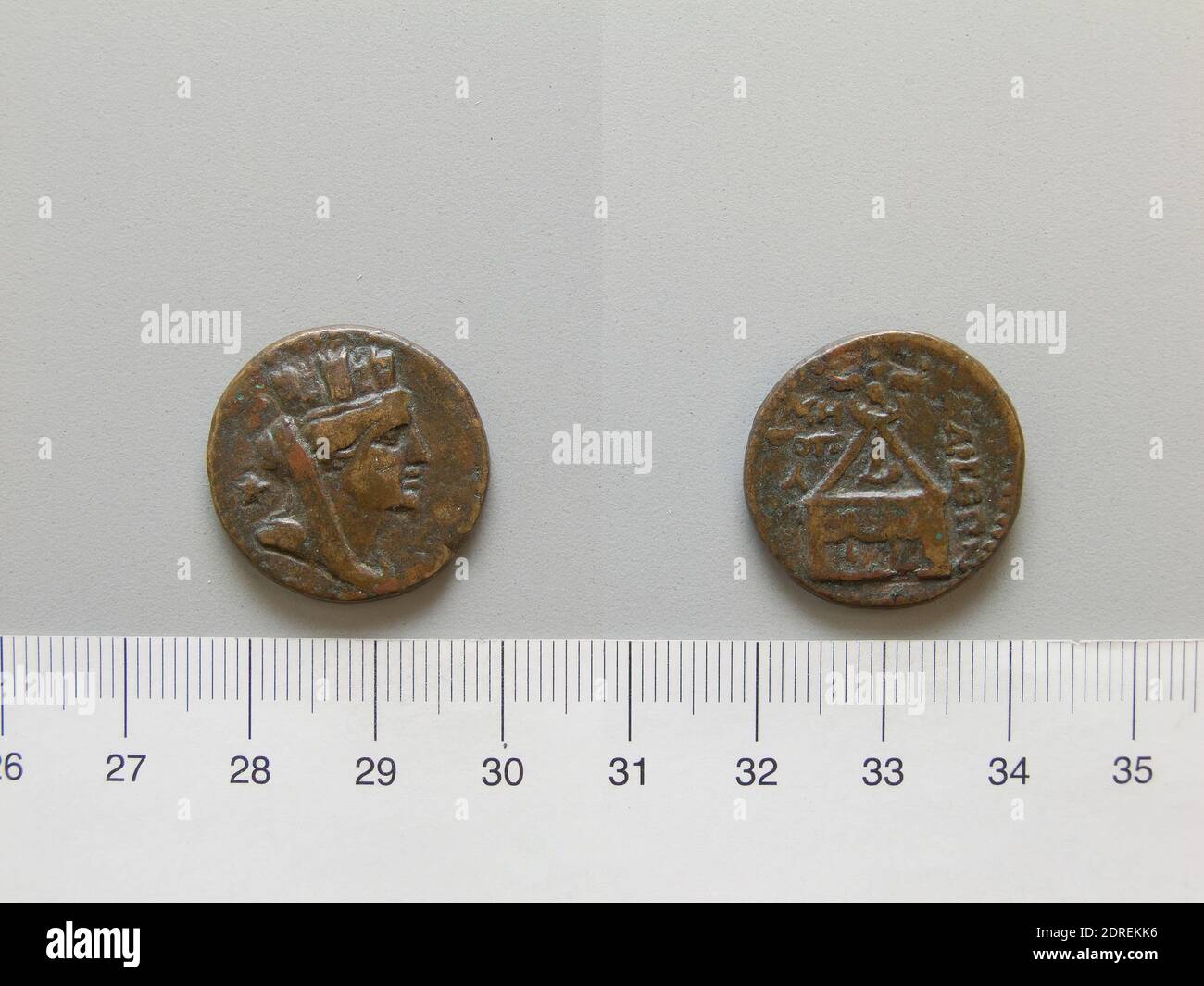
Tarsus, located in southern Turkey, is a city steeped in history and culture, making it an important destination for both historians and tourists alike. As the birthplace of significant historical figures, including the Apostle Paul, Tarsus has a deep-rooted connection to Christianity and the Roman Empire. Its archaeological significance coupled with vibrant local culture makes Tarsus a vital subject of study and exploration.
Historical Significance
Tarsus dates back to ancient times, with evidence of habitation since the 4th millennium BC. The city was a significant centre in the Hittite and Roman empires, serving as a hub of trade and culture. Throughout history, Tarsus has experienced a series of conquerors including the Persians, Greeks, and Romans, each leaving their mark on the city’s landscape. Key landmarks such as the ancient Roman theatre and the Tarsus Waterfall showcase its rich heritage.
During the Roman era, Tarsus became a bustling provincial capital, further enhancing its importance within the empire. The city was known for its rich agriculture, trading activities, and educational institutions that attracted scholars and philosophers. It was during this period that Paul of Tarsus was born, contributing to the region’s significance in Christian history.
Modern Day Tarsus
Today, Tarsus continues to thrive, blending its historical essence with modern-day developments. The city’s archaeological sites are a major draw for tourists, with recent excavations revealing more artifacts that provide insight into its complex past. Local authorities have been actively preserving historical sites, with efforts to encourage tourism and educate visitors about Tarsus’s historical legacy.
The Tarsus Museum is notable for housing a wealth of artifacts from various periods, showcasing the city’s diverse history. Furthermore, Tarsus benefits from a rich cultural scene, hosting events that feature local cuisine, music, and traditional arts, thus promoting its heritage to both locals and visitors.
Conclusion
Tarsus is not merely a historical location; it embodies centuries of culture, spirituality, and resilience. Understanding Tarsus’s history and significance is essential for appreciating the broader narratives of the Hellenistic and Roman worlds. As excavation efforts continue and modern-day engagement with the city’s heritage increases, Tarsus stands poised to share its rich story with future generations. This city remains a testament to the enduring influence of historical places in shaping our understanding of the past.