Introduction
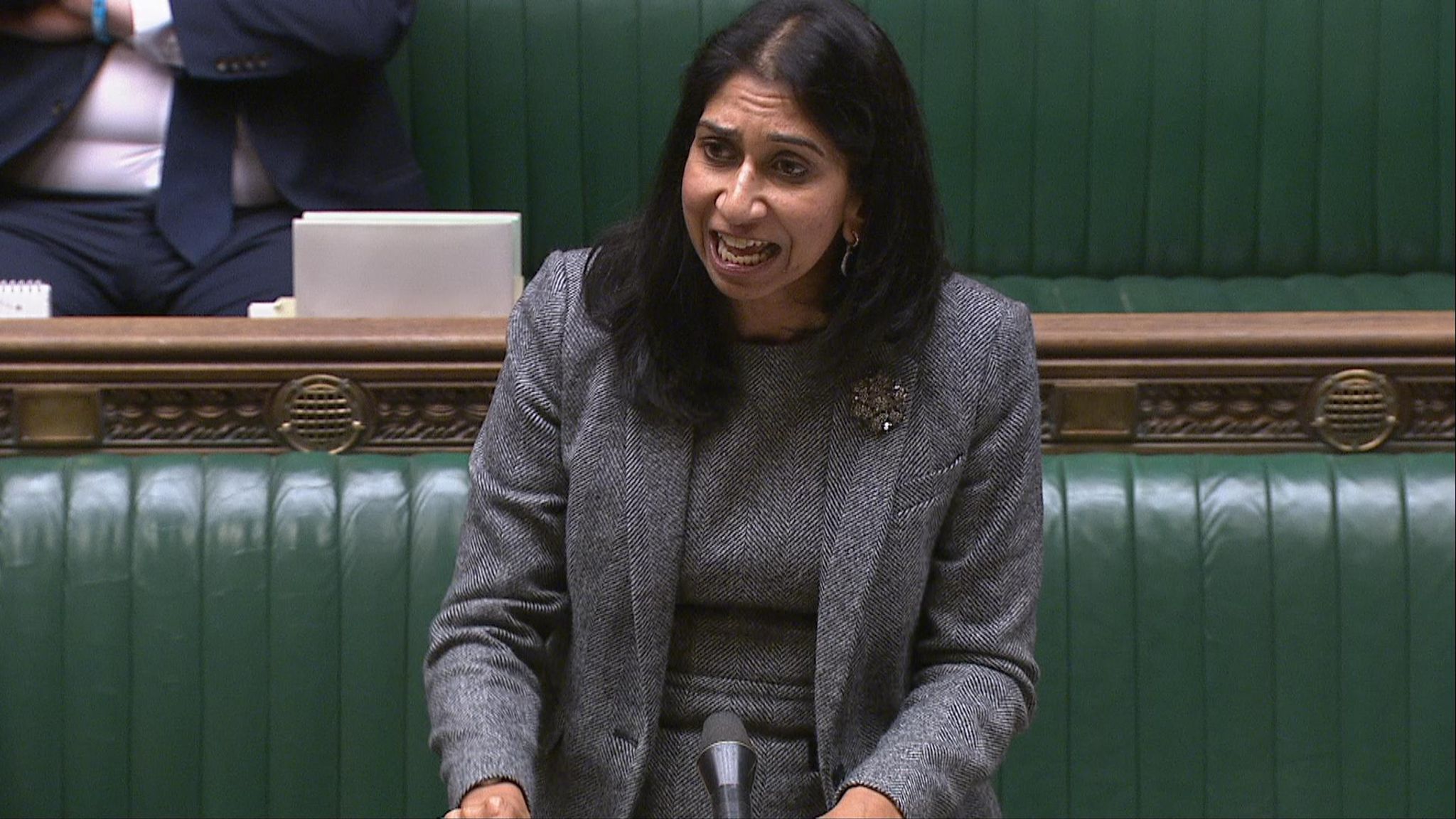
Suella Braverman has become a significant figure in UK politics, particularly since her appointment as Home Secretary. Her role is pivotal not only in shaping national security and immigration policies but also in defining the future direction of the Conservative Party. Braverman’s stances on various issues, especially those concerning law and order, have garnered both support and criticism, making her an essential subject in contemporary political discourse.
Background
Born on April 6, 1980, Suella Braverman was educated at the prestigious Queen’s College, Oxford, before embarking on a legal career. She was first elected as MP for Fareham in 2015 and quickly became known for her energetic engagement on matters relating to Brexit, immigration, and crime. Her rapid rise within the Conservative Party culminated in her appointment as Home Secretary in September 2022, during which she committed to tackling illegal immigration and enhancing public safety.
Recent Developments
In recent weeks, Braverman has been at the forefront of several high-profile issues. One major focus has been her tough stance on illegal migrants crossing the English Channel. The Home Office, under her direction, has implemented measures to deter these crossings, including proposals for processing asylum seekers in third countries. This policy has sparked debate about its legality and effectiveness, with critics arguing it undermines international obligations.
Moreover, Braverman has been actively engaging in discussions surrounding national security, especially in light of escalating global tensions. Recent events, including heightened concerns over cyber threats and terrorism, have driven her to advocate for increased funding for law enforcement and intelligence services.
Controversies
Despite her firm approach, Braverman has faced challenges within and outside her party. Critics have raised concerns over her handling of sensitive social issues, particularly comments perceived as hostile towards certain communities. These issues have led to calls for a more inclusive approach within her policies. Furthermore, internal party discussions regarding her approaches and policies continue to reflect divisions within the Conservative ranks.
Conclusion
Suella Braverman’s role as Home Secretary is increasingly influential in shaping UK policy on immigration and security. As she navigates the controversies and challenges that come with her position, her decisions will likely have long-lasting implications for the Conservative Party and the public’s perception of government efficacy in dealing with pressing national issues. Observers predict that her political future may depend heavily on her ability to address these challenges while maintaining party unity.