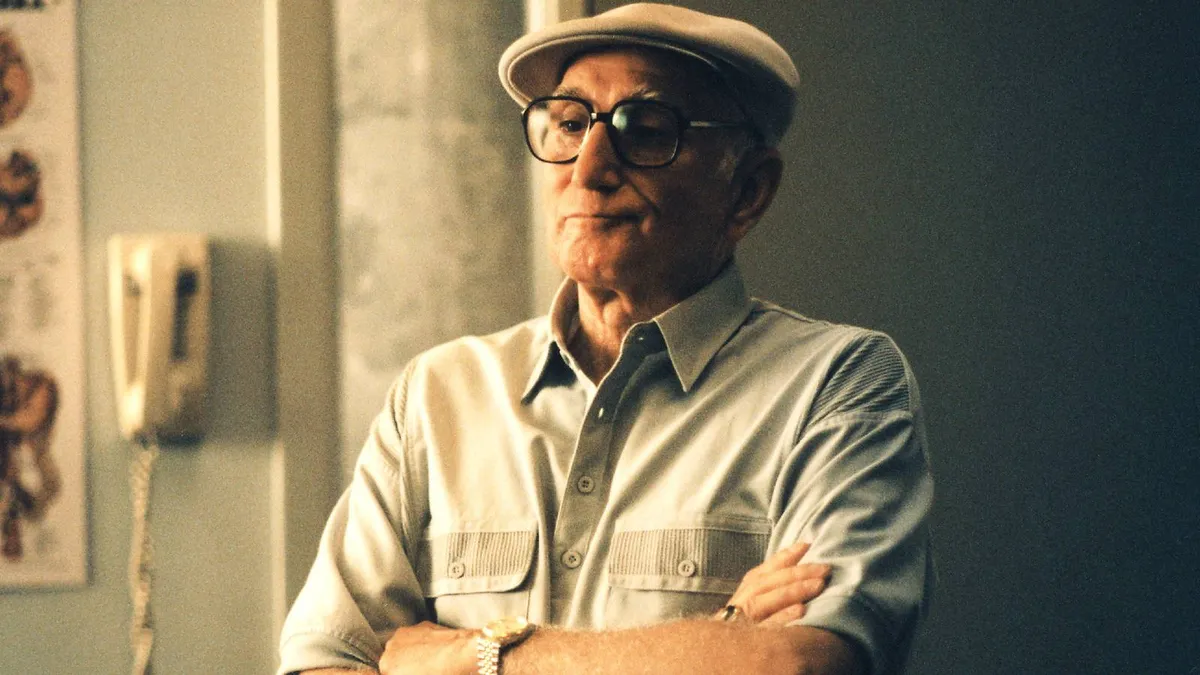
As the sun set on the late 1990s, a new era of television was about to begin. In January 1999, HBO premiered The Sopranos, a groundbreaking series that would not only captivate audiences but also redefine the landscape of storytelling on television. The show introduced viewers to the complex world of mob boss Tony Soprano, portrayed by the late James Gandolfini, whose struggles with family and mental health resonated deeply with audiences.
Over the course of its six seasons, which concluded in 2007, The Sopranos aired a total of eighty-six episodes. It was a show that pioneered the concept of the antihero, a character whose moral ambiguity challenged traditional notions of good and evil. This innovative approach to character development set a new standard for television, paving the way for future series that would follow in its footsteps.
Financially, The Sopranos was a monumental success, generating an estimated $2.5 billion in total revenue. The show’s production costs were substantial, with each episode costing around $3 million. However, the investment paid off, as the series established HBO as the prestige television brand we know today. The combined net worth of the cast, including notable actors like Edie Falco, Steve Buscemi, and Michael Imperioli, exceeds $200 million, a testament to the show’s enduring impact on its stars’ careers.
Gandolfini’s portrayal of Tony Soprano was not only iconic but also lucrative. He earned approximately $2.5 million per season for the first two seasons, and by the final season, his salary had skyrocketed to $1 million per episode. Meanwhile, Edie Falco and Michael Imperioli also saw their earnings rise significantly, with both earning $500,000 per episode during the final season. This financial success reflects the show’s cultural significance and its ability to attract top-tier talent.
Beyond its financial achievements, The Sopranos was groundbreaking in its exploration of mental health. It was the first mainstream show to tackle such themes with compassion, allowing viewers to witness Tony’s struggles with anxiety and depression. This portrayal opened the door for more honest conversations about mental health in media, making the show not just entertaining but also socially relevant.
The series finale, however, remains one of the most controversial moments in television history. The abrupt cut-to-black ending polarized audiences and sparked countless debates about its meaning. Some viewers felt it was a fitting conclusion to the series, while others were left frustrated and confused. This divisive ending has only added to the show’s mystique and ongoing discussions among fans and critics alike.
As we reflect on the legacy of The Sopranos, it is clear that its influence extends far beyond its original airing. The series has inspired a new generation of storytellers and has become a cultural touchstone, often referenced in discussions about the evolution of television. Today, the impact of The Sopranos can still be felt, as it continues to resonate with audiences and spark conversations about the complexities of human nature.
In the years since its conclusion, the cast has remained active in the industry, with Michael Gandolfini, the son of James Gandolfini, even stepping into the role of a young Tony Soprano in the prequel film, The Many Saints of Newark. This connection to the original series serves as a reminder of the lasting legacy of The Sopranos and its profound impact on both its audience and the television landscape as a whole.