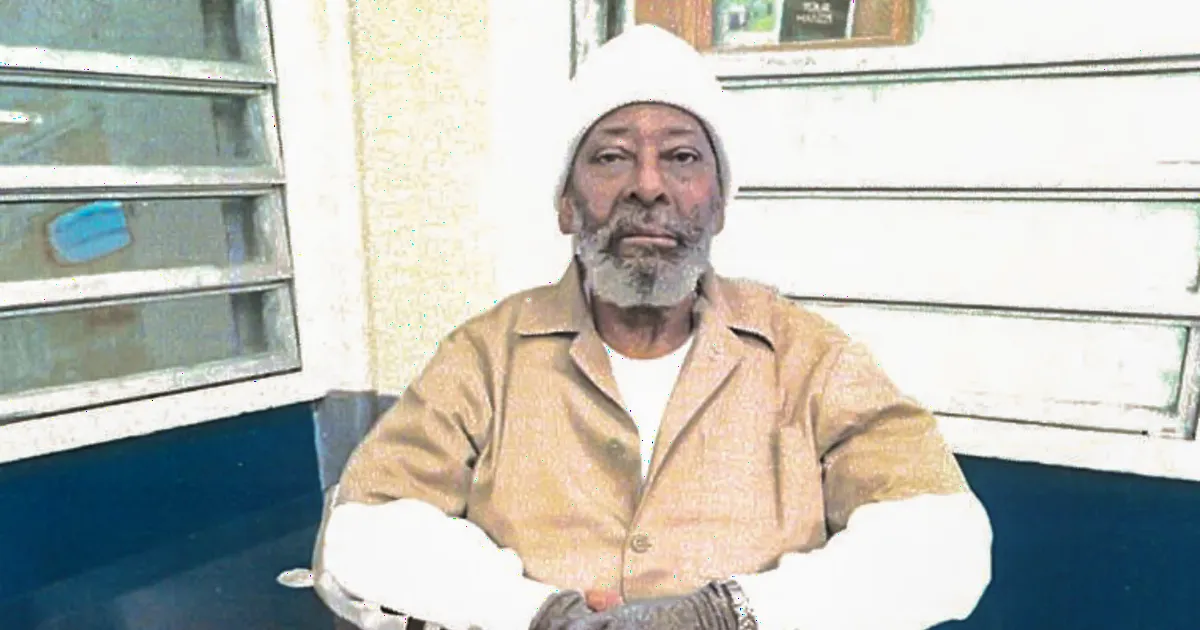
Background of the Case
Charles Sonny Burton was convicted in 1992 for the capital murder of Doug Battle during a robbery in Talladega, Alabama. Under the felony murder doctrine, which holds all participants in a felony equally responsible for any killings that occur during the crime, Burton was sentenced to death despite not being the triggerman. The actual shooter, Derrick DeBruce, received a life sentence without parole, raising questions about the fairness of Burton’s punishment.
Change in Circumstances
On March 10, 2026, Alabama Governor Kay Ivey commuted Burton’s death sentence to life in prison without parole. This decision came after a significant public outcry, evidenced by a petition that garnered 67,000 signatures urging the governor to halt the execution. The commutation was also supported by six of the eight living jurors from Burton’s trial, who did not oppose the decision, indicating a shift in perception regarding the case.
Immediate Effects
The commutation has immediate implications for Burton, who is currently 75 years old and has spent over three decades in prison. His execution was initially scheduled for the same day as the commutation, which would have been carried out by nitrogen gas. The decision to commute his sentence not only spares his life but also reflects a growing sentiment against the death penalty, particularly in cases where the culpability of the convicted is questioned.
Expert Opinions and Perspectives
Governor Ivey articulated her reasoning for the commutation, stating, “I cannot proceed in good conscience with the execution of Mr. Burton under such disparate circumstances.” She further emphasized the injustice of executing one participant in a crime while the actual shooter remains unpunished. This perspective aligns with the views of many advocates who argue for a more equitable application of justice in capital punishment cases.
Reactions from the Legal Community
Alabama Attorney General Steve Marshall acknowledged the complexity of the case, stating, “There has never been any doubt that Sonny Burton has Douglas Battle’s blood on his hands.” This statement highlights the ongoing debate about accountability in felony murder cases and the moral implications of sentencing individuals to death based on their involvement in a crime, rather than their direct actions.
Public Sentiment and Future Implications
The commutation of Burton’s sentence follows increasing public pressure and protests against his execution. The decision has reignited discussions about the fairness of the death penalty, particularly in cases where the evidence of guilt is not clear-cut. With only one other death sentence commuted during her tenure, Ivey’s decision marks a significant moment in Alabama’s approach to capital punishment.
As Burton’s case continues to draw attention, it raises important questions about justice, accountability, and the application of the death penalty in the United States. The commutation not only alters the course of Burton’s life but also serves as a catalyst for broader discussions about the legal system and its treatment of individuals involved in capital crimes.