Introduction
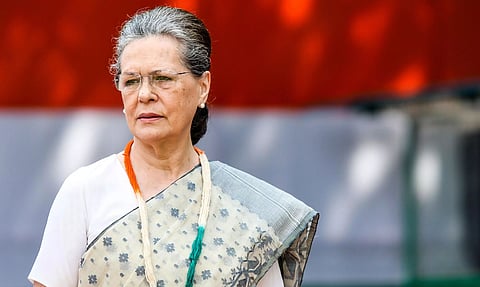
Sonia Gandhi, the former president of the Indian National Congress (INC), has been a significant figure in Indian politics for over two decades. Her influence remains crucial, especially during a period of political upheaval and changing dynamics. As the country navigates complex challenges, Gandhi’s role and decisions have garnered increased attention. This article examines her current involvement in politics and the implications for the INC and broader political landscape.
Current Political Landscape
In recent months, Sonia Gandhi has faced various hurdles, including intra-party disputes and external pressures from opposition parties and social movements. The Congress party, once a dominant force in Indian politics, has seen a decline in its influence and has been struggling to regain ground against the ruling Bharatiya Janata Party (BJP).
Following the Congress’s disappointing performance in several state elections, Sonia Gandhi has been tasked with revitalising party leadership and strategy. In September 2023, she held a series of meetings with senior party leaders, urging them to focus on grassroots outreach and strengthening their core voter base. Her emphasis on unity and resilience within the party is seen as an attempt to consolidate power and shape a clearer direction for the INC.
Recent Developments
One of the key developments has been Sonia Gandhi’s increased engagement with civil society and various grassroots organisations, which has revitalised her connection with the electorate. In a recent speech at a rally in Uttar Pradesh, she highlighted the importance of social justice and economic equity, signalling a shift towards a more inclusive narrative.
Moreover, her appearances in various public forums have demonstrated her commitment to addressing pressing issues such as unemployment, rising inflation, and women’s rights, which are pivotal to Congress’s renewed strategy. The INC is also gearing up for upcoming elections in crucial states, and her leadership is seen as instrumental in shaping the party’s campaign approach.
Conclusion
Sonia Gandhi’s persistent efforts to unify and strengthen the Congress party illustrate her enduring influence in Indian politics. While challenges abound, her recent initiatives to engage with constituents reflect a strategic pivot towards addressing the immediate concerns of India’s populace. As the country prepares for a potential electoral showdown, Gandhi’s leadership will be a decisive factor in determining the future trajectory of the INC and its capacity to emerge as a formidable opposition force. For readers, the evolving political landscape in India is a vital area to watch, especially as it may herald significant changes in governance and policy in the coming years.