Introduction
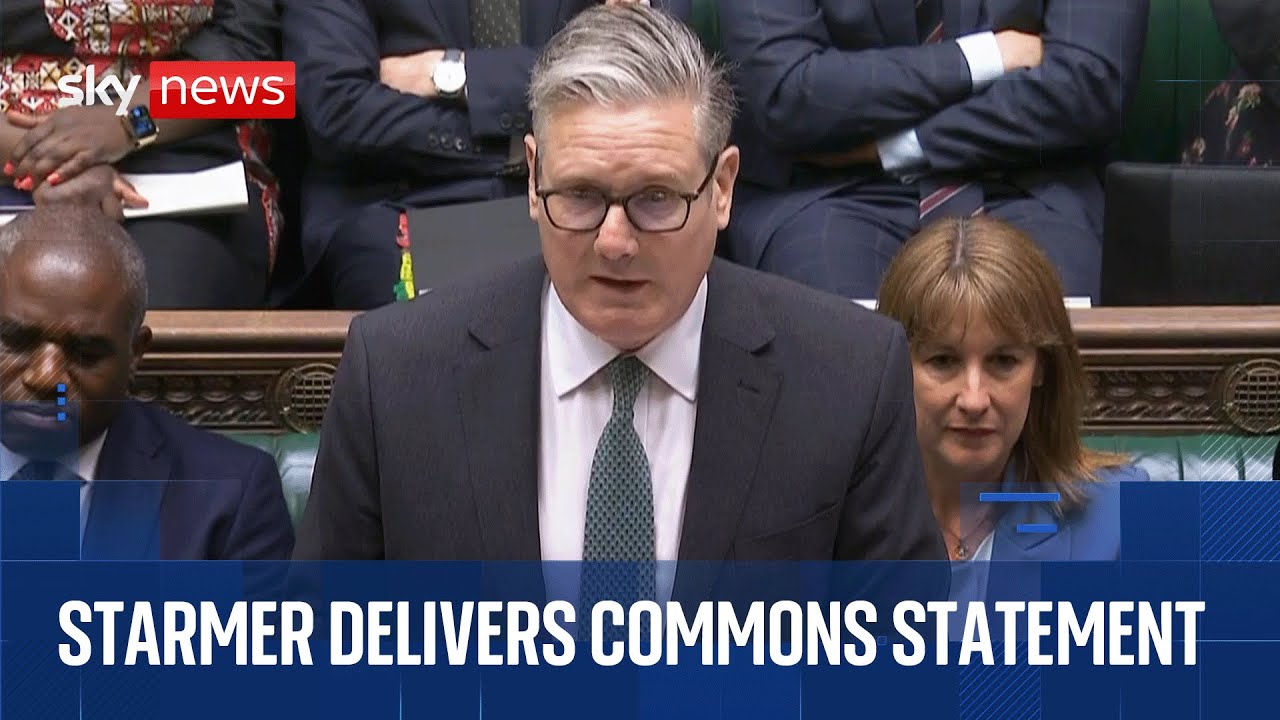
Labour leader Sir Keir Starmer made a significant announcement this week, outlining his party’s vision for the UK’s economic strategy in the run-up to the next general election. As the country grapples with rising inflation and a cost-of-living crisis, Starmer’s proposals aim to galvanise public support and address pressing economic concerns relevant to every household across the nation.
Main Body
At a press conference held in London, Starmer emphasised the need for a shift towards a more sustainable economy, proposing several initiatives designed to stimulate growth and alleviate financial pressures on families. Key among his proposals is a commitment to developing green jobs and investing in renewable energy sectors. Starmer believes these measures will not only help combat climate change but also provide much-needed employment opportunities in the wake of post-pandemic recovery.
Furthermore, Starmer highlighted the importance of supporting small and medium-sized businesses (SMEs) as a driving force of the UK economy. His plan includes reducing business rates and increasing access to funding for startups, particularly in underserved regions. The Labour leader asserted that nurturing local businesses is essential for economic stability and job creation throughout the UK.
In response to widespread concerns about the rising cost of living, Starmer proposed a £2 billion plan aimed at reducing energy bills for families. The Labour party plans to engage with energy suppliers to establish a price cap that provides consumers with predictable costs, ensuring that no family must choose between heating and eating.
Conclusion
Starmer’s announcement reflects a growing recognition of the economic challenges facing the UK as it navigates a complex post-pandemic landscape. By focusing on sustainable growth, investment in future industries, and support for families, the Labour leader seeks to not only differentiate his party from the Conservatives but also to resonate with voters who are feeling the squeeze of economic uncertainty.
As the next general election approaches, the effectiveness of these proposals will be put to the test. Voter response and potential adaptations within the Labour framework will be essential indicators of Starmer’s strategy and its impact on the electoral landscape. For readers, Starmer’s vision could inform future political choices as the campaign unfolds, highlighting how economic policy is increasingly intertwined with day-to-day living conditions in the UK.