Introduction
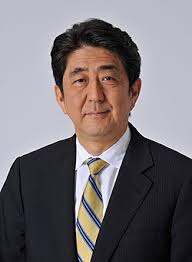
Shinzo Abe, the former Prime Minister of Japan, remains a pivotal figure in Japanese politics even after his assassination in July 2022. His policies and leadership not only impacted Japan’s domestic affairs but also reshaped its international relations, making the study of his career particularly significant in understanding contemporary Japan.
Career and Policies
Abe first took office in 2006 and again from 2012 to 2020, making him Japan’s longest-serving Prime Minister. One of his most notable initiatives was ‘Abenomics,’ an economic policy that aimed to revive Japan from decades of stagnation through aggressive monetary easing, fiscal stimulus, and structural reforms. This policy sought to boost the economy, raise inflation and enhance Japan’s competitiveness globally.
Additionally, Abe played a vital role in strengthening Japan’s defence capabilities, advocating for a more prominent military role in regional security, which marked a shift from the pacifist constitution established after World War II. His push to amend Japan’s constitution to formalise the existence of the Self-Defense Forces reflected a significant change in Japan’s security posture in response to regional threats, particularly from North Korea and China.
Foreign Relations
Abe’s administration was instrumental in strengthening Japan’s relations with the United States, particularly under former President Donald Trump. Their alliance focused on trade, security, and a shared approach to North Korea’s nuclear ambitions. Abe also sought to enhance Japan’s role in international forums such as the G7 and the United Nations and was highly active in Free Trade Agreements across the Asia-Pacific region.
Legacy and Impact
Shinzo Abe’s legacy is a complex one. Supporters credit him with revitalising Japan’s economy and enhancing its global standing, while critics point to a rise in nationalism and challenges to civil liberties. His assassination shocked the world and ignited discussions around political violence in Japan, a nation known for its low crime rates and political stability.
Conclusion
Abe’s influence is likely to be felt for years in Japan. As the country continues to grapple with its role on the global stage and addresses domestic challenges such as an ageing population and economic recovery, the policies and ideologies that Abe championed will remain vital points of discussion. Understanding his contributions offers insight into the trajectory of Japan’s future in an increasingly complex world.