Introduction
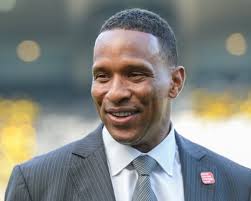
Shaka Hislop is a name synonymous with football excellence, notable for his remarkable career as a goalkeeper and his insightful contributions as a commentator in recent years. Hislop, who represented clubs in both the UK and the US, has also made significant contributions to the sport as a sports analyst. His experiences and perspectives are particularly relevant today as the world of football faces increasing scrutiny over issues such as player welfare, inclusivity, and the evolution of the game.
Career Highlights
Born on February 22, 1969, in London, Hislop began his career in football at the University of Howard before making a name for himself with clubs like Reading, Newcastle United and West Ham United during the 1990s and early 2000s. Hislop enjoyed considerable success in the Premier League, where he became known for his agility and exceptional shot-stopping ability, earning him a reputation as one of the standout goalkeepers of his era.
Internationally, Hislop was a key figure for the Trinidad and Tobago national team, proudly representing his country in the 2006 FIFA World Cup, which marked Trinidad and Tobago’s debut. His standout performance in the tournament is still remembered by fans and players alike, as he helped the team earn a historic draw against Sweden.
Transition to Commentator
After retiring from professional play in 2007, Hislop transitioned into broadcasting, quickly becoming a respected voice on ESPN’s football coverage. His analytical skills and distinct views on the game have brought clarity and depth to discussions surrounding football, notably during major tournaments like the World Cup and European Championships. His ability to dissect matches and provide insight into player performance sets him apart in the field of sports commentary.
Recent Developments
In recent months, Hislop has spoken out on several critical issues impacting the sport, including player mental health, racism in football, and the future of the game amid the rise of prominent super clubs. His commentary on these subjects has sparked conversations among fans, clubs, and governing bodies alike. Following the fallout from various incidents related to racism, Hislop’s advocacy for change in the sport has been crucial, urging stakeholders to take responsibility and implement effective measures against discrimination.
Conclusion
Shaka Hislop’s journey from the pitch to the studio illustrates the critical role former athletes can play in shaping the dialogue around sports. His insight and leadership remind us of the importance of using one’s platform to advocate for positive change. As football continues to evolve, figures like Hislop will undoubtedly remain pivotal in addressing the challenges facing the sport and ensuring it grows for future generations.