Introduction
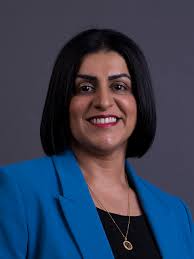
Shabana Mahmood, the Labour MP for Birmingham, Ladywood, has increasingly become a significant figure in British politics. Her work particularly resonates with contemporary issues facing urban communities, making her a relevant voice in today’s political landscape. Her advocacy for social justice, economic equality, and multiculturalism positions her as a pivotal player in shaping policy and public discourse.
Recent Developments
In recent events, Mahmood has been outspoken regarding the pressing issue of the cost of living crisis, which has adversely affected many households across the UK. As part of the Labour Party’s efforts, she has called for a comprehensive plan to assist families struggling with rising energy prices and inflation. During a recent parliamentary debate, she stated, “It is vital that we prioritise support for the most vulnerable in our society. We cannot allow our constituents to suffer while the government fails to act decisively.”
In addition to her economic advocacy, Shabana Mahmood has also shown strong leadership in addressing matters related to diversity and inclusion. As the Shadow Minister for Equalities, she has been instrumental in promoting legislation that aims to protect the rights of marginalized groups, including racial and ethnic minorities, women, and the LGBTQ+ community. Her recent participation in Pride events and initiatives has further established her commitment to equality and representation.
Community Engagement
Mahmood’s connection with her constituents goes beyond policy; she actively engages with the Birmingham community through various initiatives. In September 2023, she hosted a community outreach event focused on mental health awareness, which attracted local residents and highlighted the need for accessible mental health services. “We must ensure that mental health support is available to all, particularly in our urban areas where the challenges are often exacerbated,” she remarked during the event.
Conclusion
Shabana Mahmood’s commitment to social justice and community welfare positions her as an influential figure in UK politics. As she continues to advocate on behalf of her constituents, her evolving role is likely to inspire future generations of leaders, particularly from diverse backgrounds. Mahmood’s work not only addresses immediate community needs but also lays the groundwork for more inclusive and equitable policies as she and the Labour Party aim to regain the trust of voters in the upcoming elections. Her trajectory is one to watch as the political landscape evolves in the coming years.