Introduction
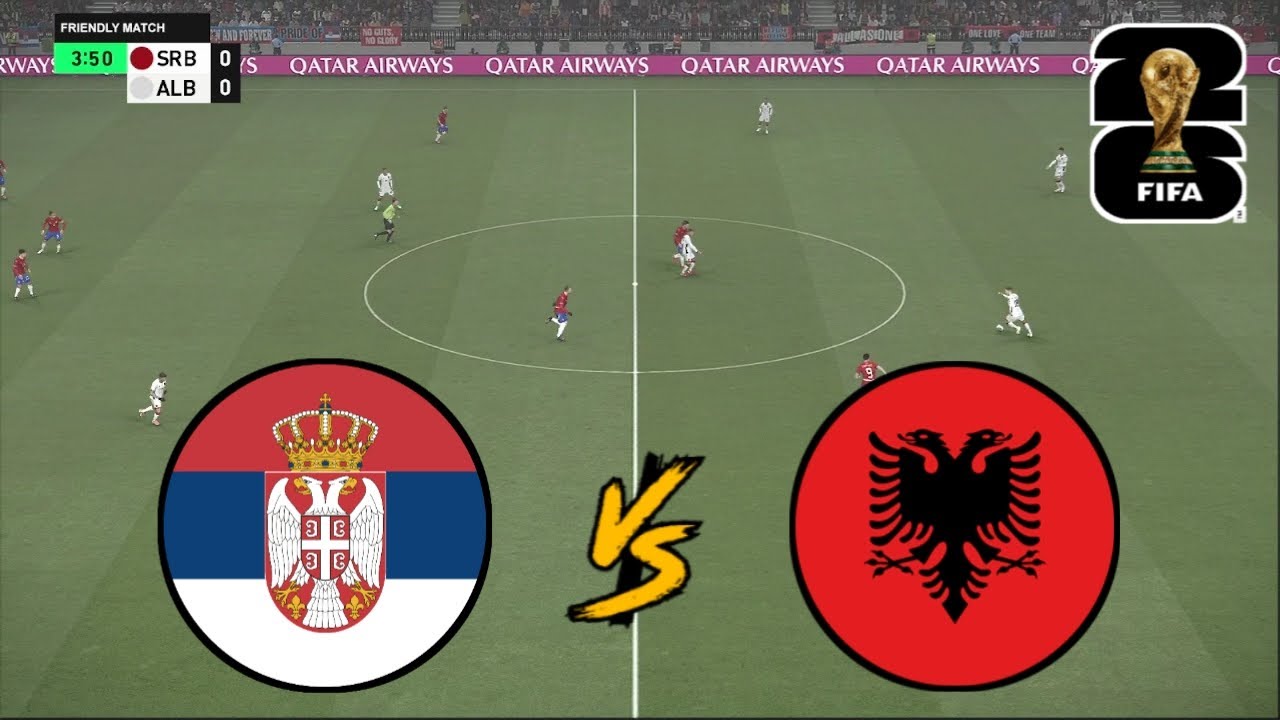
The rivalry between Serbia and Albania is not only evident on the football pitch but also deeply rooted in a complex historical and political context. This significance has gained renewed attention with the recent international football match that took place between the two nations. As tensions simmer, the implications of this sporting event extend beyond the game itself, reverberating through the realms of national pride and historical grievances.
Recent Match Highlights
On October 12, 2023, Serbia faced Albania in a highly anticipated UEFA Euro 2024 qualifier match. The match, held at the Red Star Stadium in Belgrade, attracted significant media attention due to the ongoing political tensions between the two countries. The game ended in a 2-1 victory for Serbia, but the result was overshadowed by incidents that reflected the underlying rivalry. The encounter was marred by crowd disturbances, including the display of political banners, which reignited discussions regarding national identity and historical conflicts associated with the Balkan region.
Historical Context
The rivalry between Serbia and Albania transcends football. Both nations have a tumultuous history, with conflicts that date back to the breakup of Yugoslavia in the 1990s and the Kosovo War. Political mistrust and territorial disputes have often spilled over into sports. In 2014, a previous match between the two teams was abandoned due to violent clashes between fans, demonstrating how deeply-held animosities can manifest in sports contexts.
Reactions and Future Implications
The aftermath of the recent match has sparked varied reactions from both nations. Serbian officials hailed the win as a testament to the country’s footballing prowess, while Albanian fans voiced concerns over the aggressive atmosphere surrounding the encounter. Experts believe that while sporting events can serve as a platform for unity, the Serbia vs Albania match showcased how politics continues to influence sports in the region negatively.
Conclusion
As Serbia and Albania prepare for future fixtures, the need for peaceful sporting events that focus on athleticism rather than rivalry is paramount. Authorities must find ways to ensure that football can become a bridge between nations rather than a battleground of historical grievances. The significance of the Serbia vs Albania match lies not only in the score but also in its potential to reflect or heal the divides that have historically plagued the two nations. Only time will tell if this rivalry can evolve beyond hostility into a more positive sporting relationship.