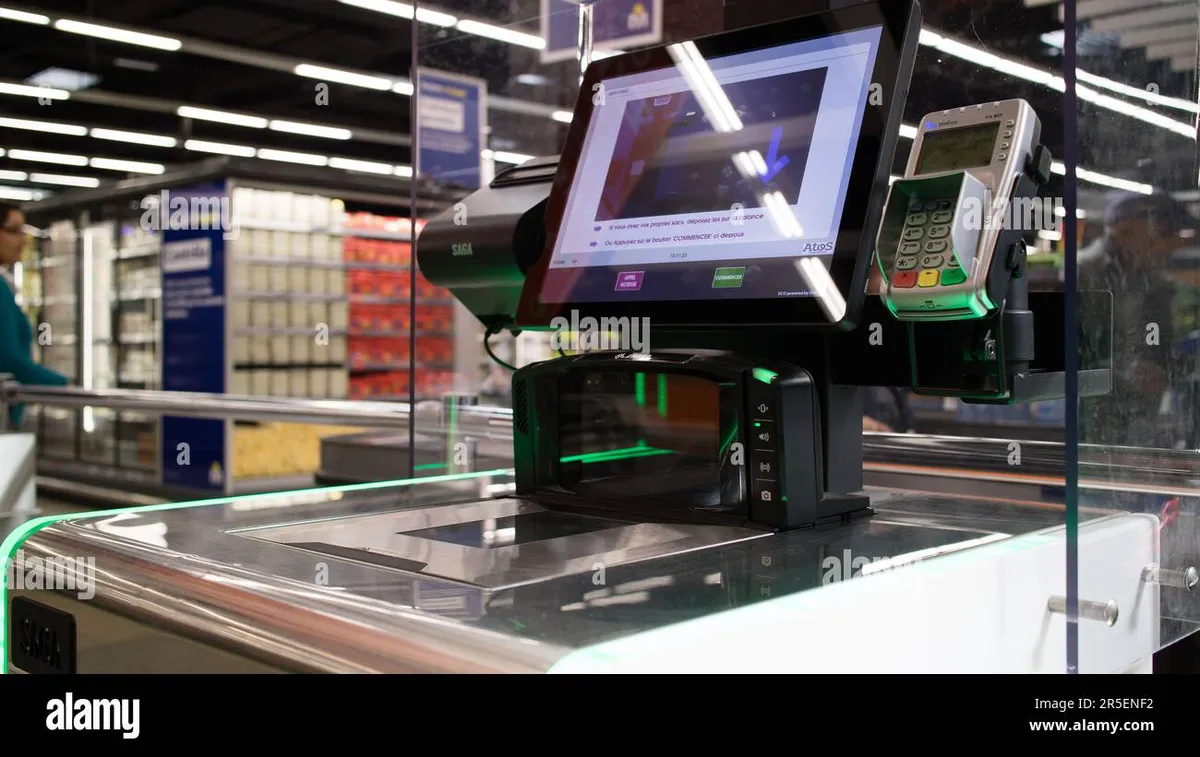
Major retailers like Walmart and Dollar General are significantly scaling back their self-checkout systems across the United States, driven by rising theft and operational efficiency concerns. In 2024 alone, Dollar General removed self-checkout machines from 12,000 stores.
This shift reflects a growing unease about the effectiveness of automation in the retail space. A December 2025 LendingTree survey revealed that 69% of self-checkout users believe these systems make stealing easier. Furthermore, 27% admitted to intentionally not scanning items, while 36% said they accidentally left without scanning something.
A Walmart spokesperson noted that these changes are informed by feedback from both associates and customers. “These changes are guided by feedback from associates and customers, local shopping patterns, and the needs of the business in each community,” they shared. Retail experts like Neil Saunders emphasize that returning to staffed checkouts can save money for retailers while reducing theft.
Amanda Farías, a member of the New York City Council, highlighted the safety issues associated with unattended self-checkouts. She stated, “We’ve seen the consequences of removing workers from these spaces: increased retail theft, less oversight, fewer protections for both workers and customers and generally decreased safety.” To tackle these issues, Farías has introduced an amendment proposing a limit of 15 items per self-checkout lane.
While Walmart is eliminating its self-checkout machines in favor of traditional cashier lanes, Sam’s Club is opting for AI-powered “scan and go” technology instead. Meanwhile, Costco is experimenting with hybrid systems rather than fully eliminating self-checkout options.
The trend towards reducing automation in checkout experiences raises questions about how retailers will balance efficiency with customer service going forward. As legislators in several states consider laws requiring a balance between self-checkout stations and employee-operated stations, many consumers may find themselves longing for the personal touch of human cashiers.
This significant pivot away from self-service checkouts marks a notable change in retail strategy as companies navigate challenges related to theft and customer satisfaction. The future of shopping may soon look quite different as retailers adapt to these evolving dynamics.