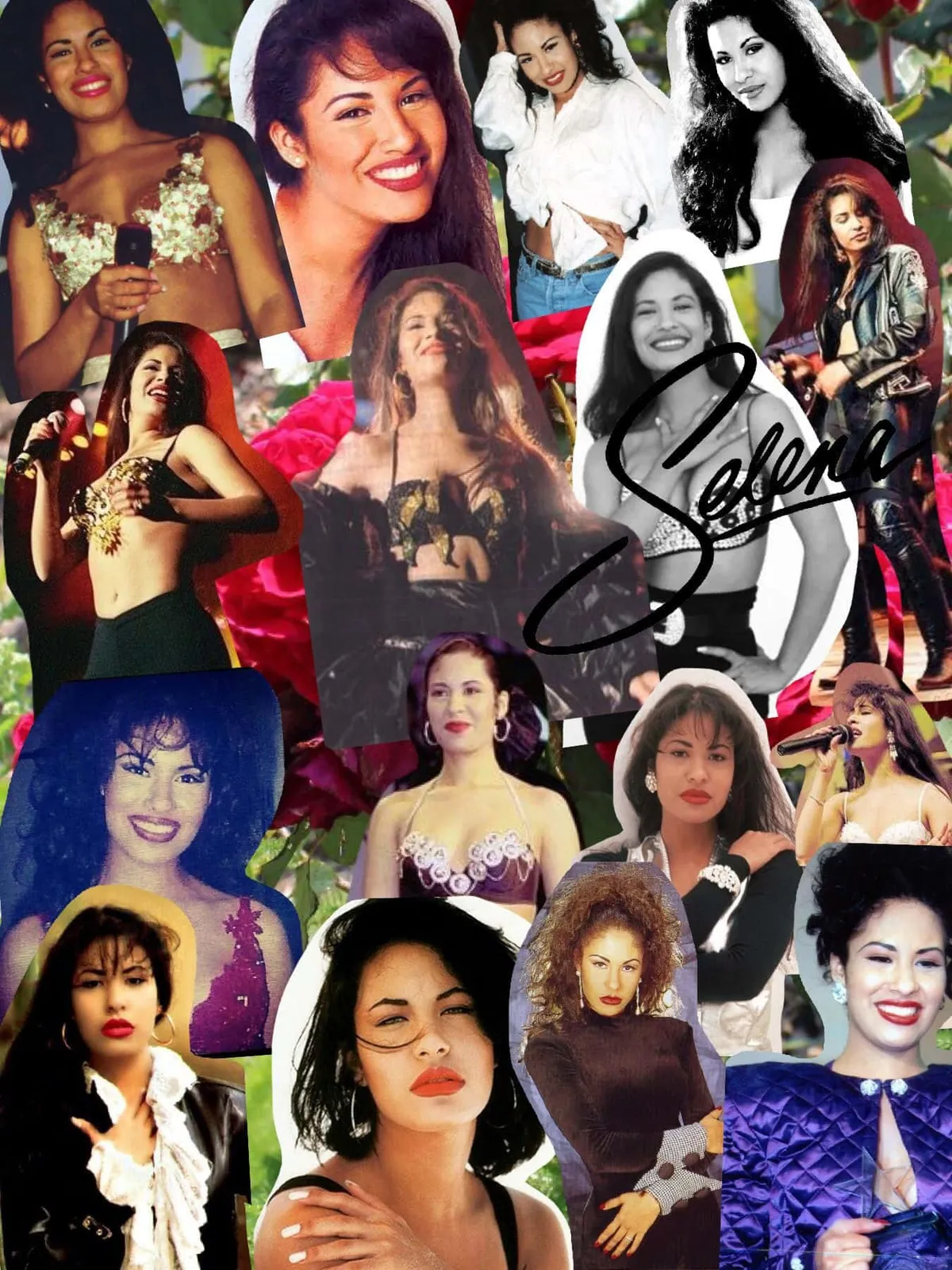
Before the tragic events of March 31, 1995, Selena Quintanilla-Pérez was on the brink of superstardom. At just 23 years old, she had already won a Grammy for her album “Live” in 1994 and was celebrated for her unique blend of Tejano, pop, and cumbia music. Fans were excited about her future, with many anticipating her next album, which would further solidify her place in music history.
However, the decisive moment came when Selena was fatally shot by Yolanda Saldívar, the president of her fan club, over financial disputes. This shocking act not only ended the life of a beloved artist but also left a community in mourning. In the immediate aftermath, over 50,000 people lined up to pay their respects to Selena, showcasing the profound impact she had on her fans.
Selena’s death marked a turning point in the music industry and the Latinx community. Her posthumous album, “Dreaming of You,” topped the Billboard 200, further cementing her legacy. In 2017, she received a posthumous star on the Hollywood Walk of Fame, and in 2021, a lifetime achievement award from the Grammys, recognizing her contributions to music.
Experts and fans alike have reflected on Selena’s influence. Larissa M. Mercado-López, co-editor of “The Selena Reader,” expressed, “Selena meant a lot to me growing up. She meant a lot to my co-editor, Dr. Yndalecio Isaac Hinojosa.” This sentiment resonates with many who grew up listening to her music, as she helped define a new era of Latinx representation in mainstream American music.
Yolanda Saldívar’s conviction for first-degree murder in October 1995, followed by her life sentence, brought some closure to a devastated community. Yet, the tragedy of Selena’s death continues to evoke strong emotions. Saldívar’s statement, “I didn’t mean to do it. I didn’t mean to kill anybody,” underscores the senselessness of the act.
As we reflect on the 31 years since Selena’s passing, her legacy remains vibrant. The music she created continues to inspire new generations, and her story is a reminder of the power of community and the importance of representation in the arts. Kenneth Cole aptly noted, “It’s an honor but I don’t think social impact is what we do, it’s part of who we are,” highlighting how Selena’s influence transcends music.
In remembering Selena, we also acknowledge the ongoing conversations about her impact on culture and identity. Mercado-López described the collection of essays as “kind of a literary roadside memorial,” emphasizing the need to keep her memory alive through scholarship and storytelling.
Selena Quintanilla-Pérez’s life and legacy continue to resonate deeply, reminding us of the beauty and fragility of life. Her music and spirit live on, inspiring countless individuals and fostering a sense of community that celebrates diversity and creativity.