Introduction
Seb Coe, a name synonymous with athletics, has played a pivotal role in the world of sports over several decades. As a former middle-distance runner, Coe’s achievements on the track are legendary; however, his influence extends far beyond his racing days. His leadership as the chairman of the British Olympic Association and the International Association of Athletics Federations (IAAF) marks him as a transformative figure in sports governance, making this topic particularly relevant in today’s sporting landscape.
Coe’s Athletic Career
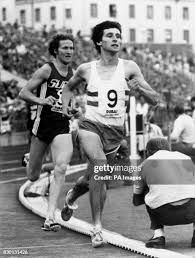
Born on September 29, 1956, in Chichester, England, Sebastian Coe carved a niche as one of the finest middle-distance runners in Olympic history, winning gold medals in the 1500 meters at the 1980 Moscow and the 1984 Los Angeles Olympic Games. Coe famously broke multiple world records in the 1980s, a time marked by fierce competition and limited global media coverage. His rivalry with fellow athlete Steve Ovett captured the imagination of fans and significantly contributed to the popularity of athletics in the UK.
Transition into Leadership
Following his retirement from athletics, Coe transitioned into a career in politics and sports management. After serving as a Conservative Member of Parliament, he turned his focus to sports administration. His pivotal role in steering London’s successful bid for the 2012 Olympic Games highlighted his organisational expertise. Under his leadership, the London Games were heralded as one of the most successful in recent history, showcasing his vision for inclusivity and innovation in sport.
Current Role and Future Aspirations
Recently, Seb Coe has been re-elected as President of World Athletics, a position he has held since 2015. His tenure has seen significant changes within the organisation, including the introduction of new initiatives to enhance athlete welfare and promote gender equality in athletics. Coe has been vocal about the challenges facing sports post-pandemic, focusing on sustainability and the enhancement of grassroots programmes to ensure that future generations participate in athletics. He argues that investment in youth sports is crucial for the long-term success of athletics worldwide.
Conclusion
Seb Coe stands as a remarkable figure in the world of athletics, renowned for both his athletic prowess and his strategic vision as a leader. As the sporting world navigates the current challenges posed by health crises, economic factors, and evolving societal norms, Coe’s influence is vital for shaping the future of athletics. His commitment to promoting athlete welfare and ensuring inclusivity will likely drive the sport into a new era, making him a significant figure to watch in the years to come.