### Introduction
Sean Combs, also known by his stage name Diddy, has been a prominent figure in the music industry for decades. Renowned for his contributions to hip-hop and R&B, Combs’ influence extends beyond music to fashion, film, and philanthropy. Recently, the release of the documentary ‘Sean Combs: The Reckoning’ has sparked significant dialogue about his legacy and the broader implications of his career on the cultural landscape.
### Main Body
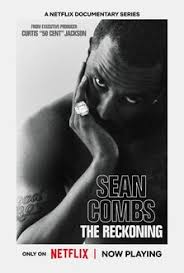
‘**Sean Combs: The Reckoning**’ delves into Combs’ rise to fame, highlighting his visionary approach to business and music production. The documentary not only chronicles his journey from a young producer to a global icon but also addresses the controversies and challenges he has faced, including legal allegations and public scrutiny.
The film has opened discussions about the changing dynamics in the music industry, especially concerning artists’ rights and the pressures they face in the public eye. Combs has been known for his bold and sometimes polarising actions over the years, which have led to both immense success and criticism. The reckoning points towards the accountability that comes with fame and fortune, and how public figures must navigate their legacies.
Moreover, ‘The Reckoning’ showcases interviews with fellow artists, critics, and industry experts who provide perspectives on Combs’ impact on music and culture. These insights reveal how he has shaped hip-hop and R&B, making space for new generations of artists while also grappling with the responsibilities that come with such influence. This raises questions about the role of celebrity in today’s society and how we measure an artist’s contributions against their personal controversies.
### Conclusion
As discussions around ‘Sean Combs: The Reckoning’ continue, its significance transcends just a biography of Combs. It serves as a cultural touchstone, reflecting the complexities of fame and artistic expression in the modern era. For audiences, it prompts a re-examination of how we engage with public figures and their narratives, posing vital questions about accountability and the evolution of the music industry.
In conclusion, whether one views Combs as a musical genius or a controversial figure, ‘The Reckoning’ invites viewers to reconsider the multifaceted nature of celebrity, making it a critical piece for anyone invested in the future of music and popular culture.