The numbers
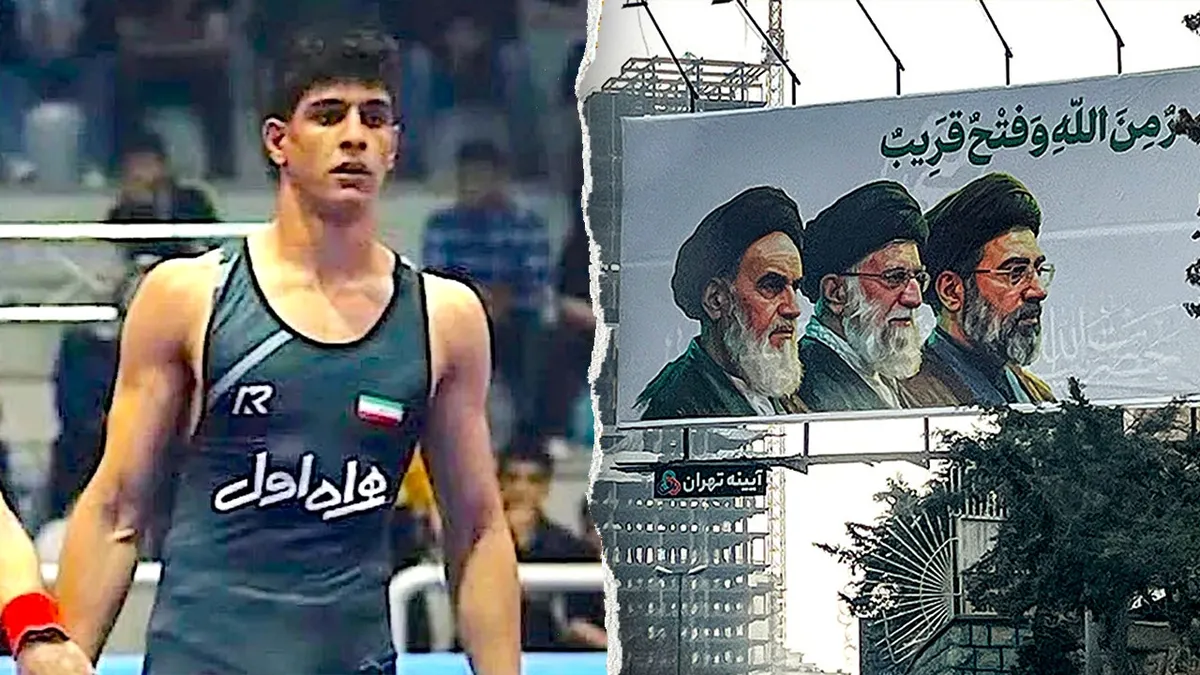
On March 19, 2026, Saleh Mohammadi was executed by public hanging in Qom, Iran, at the tender age of 19. His death marks a grim chapter in the ongoing crackdown on dissent within the country, as he was accused of killing two police officers during protests that erupted in January 2026.
The Iranian regime has faced intense scrutiny for its treatment of protesters and athletes, with Mohammadi’s execution drawing widespread condemnation from human rights organizations. Critics argue that his trial was marred by a lack of due process, involving forced confessions and a judicial system that prioritizes political control over justice.
Mohammadi, who turned 19 just days before his execution on March 11, had previously made headlines as a promising athlete, winning a bronze medal at the Saytiyev International Cup in September 2024. His involvement in sports did not shield him from the regime’s harsh measures against those who dare to speak out against it.
According to reports, the Iranian judiciary sentenced Mohammadi to death on February 4, 2026, as part of a broader initiative to quell anti-regime protests. The regime has claimed that Mohammadi and others acted on behalf of foreign adversaries, specifically Israel and the United States, further complicating the narrative surrounding their actions.
Human rights advocates have described the execution as a blatant political murder, with Nima Far stating, “His execution was a blatant political murder, part of the Islamic Republic’s pattern of targeting athletes to crush dissent and terrorize society.” This sentiment is echoed by the Center for Human Rights in Iran, which condemned the public execution as a means to instill fear among the populace.
In the wake of Mohammadi’s execution, calls for international action have intensified. Activists like Masih Alinejad have urged organizations such as the Global Athlete to support Iranian athletes who face silencing and imprisonment for their dissenting voices. Alinejad stated, “I call on @GlobalAthleteHQ to stand with Iranian athletes who are being silenced, imprisoned, and executed simply for raising their voices.”
As the international community grapples with the implications of such actions, many observers believe that Iran must face consequences for its treatment of athletes and protesters. Nima Far has called for a ban on Iran from international competitions until it ceases executions of protesters and athletes, emphasizing the need for accountability in the face of human rights violations.
As the situation continues to unfold, details remain unconfirmed regarding the broader implications of Mohammadi’s execution on the ongoing protests and the Iranian regime’s response to dissent. With thousands of demonstrators reportedly killed during the January protests, the stakes remain high for those who dare to challenge the status quo.