The Growing Concerns Over Facial Recognition Technology
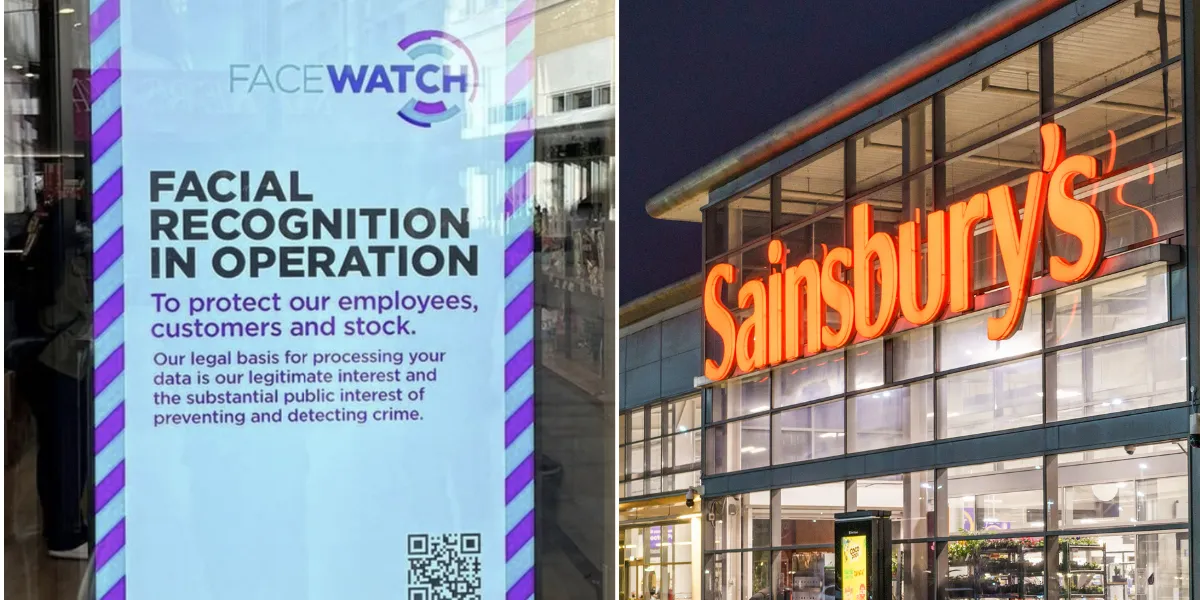
Facial recognition technology has increasingly become a topic of debate, especially concerning privacy violations and accuracy. Recently, Sainsbury’s, one of the UK’s largest supermarket chains, found itself in the spotlight following an error involving facial recognition software that misidentified customers, raising serious ethical and practical questions.
Details of the Incident
In early October 2023, reports surfaced that Sainsbury’s had implemented a facial recognition system in select stores aimed at enhancing security and preventing theft. However, incidents soon came to light where innocent customers were wrongfully flagged as suspicious, leading to unwarranted scrutiny from store staff. One such case involved a local customer who shared their experience on social media, claiming they were approached by security personnel due to a mistaken identification by the facial recognition system.
Public Reaction and Backlash
The news of Sainsbury’s facial recognition error has drawn mixed reactions from the public. While some consumers express understanding for the need for security measures, many others are outraged by what they perceive as an invasion of privacy and an over-reliance on flawed technology. Privacy advocates are particularly concerned that this incident reflects a broader issue of surveillance in public spaces, and the risks it poses to civil liberties. New figures from a recent survey suggest that 70% of respondents feel uncomfortable with facial recognition technology in public places, showing that there is substantial distrust regarding its application.
Company’s Response
In light of the backlash, Sainsbury’s released a statement acknowledging the incident and expressing regret for any distress caused to customers. The company indicated that it would conduct an internal review of the technology and its implementation, promising to work towards greater accuracy and transparency in its use of surveillance systems. Sainsbury’s reaffirmed its commitment to ensuring customer safety while balancing privacy concerns.
Conclusion and Future Implications
The Sainsbury’s facial recognition error serves as a reminder of the complexities associated with modern technology in retail environments. As customers crave both safety and privacy, companies must navigate the fine line between using technology for security and respecting individual rights. This incident may prompt other retailers to reevaluate their policies on facial recognition, particularly as scrutiny from consumers and watchdog groups increases. It also emphasizes the need for comprehensive regulations governing the use of facial recognition technologies to protect individuals from similar errors and ensure practices are carried out ethically.



