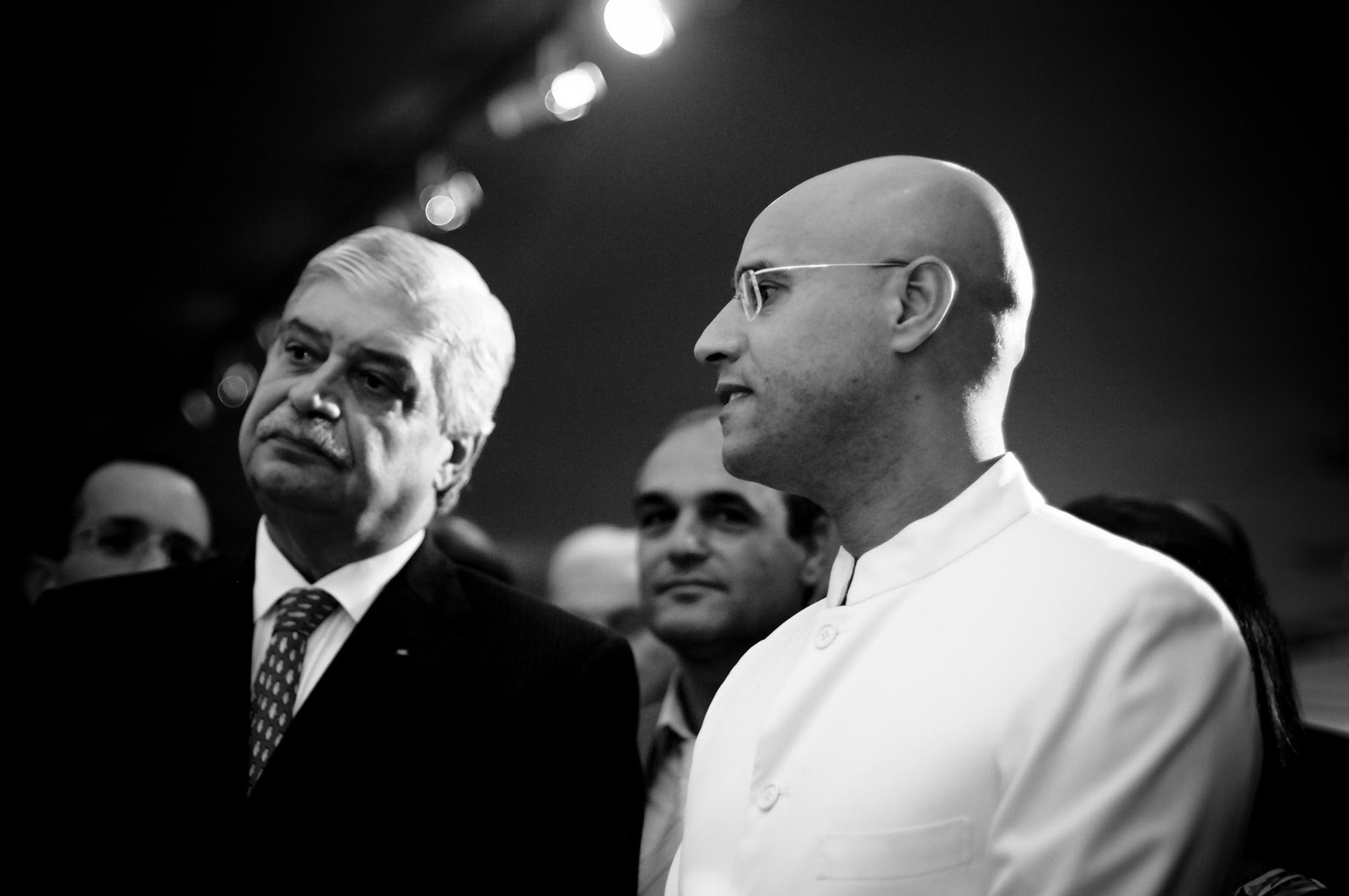
The Importance of Saif al-Islam Gaddafi
Saif al-Islam Gaddafi, the son of former Libyan leader Muammar Gaddafi, is making headlines as he re-enters the political arena of Libya. His return to prominence occurs at a critical time for the nation, which has been grappling with political instability, civil unrest, and economic challenges since the fall of his father’s regime in 2011. Understanding Saif’s role and ambitions could significantly impact Libya’s future governance and regional stability.
Recent Developments
Following his release from captivity in 2017, Saif al-Islam has been attempting to regain his influence within the fragmented Libyan political landscape. In recent months, he has positioned himself amidst the election landscape, declaring his intention to run for president in the upcoming national elections, which are aimed at unifying the country after years of division. His calls for national reconciliation resonate with many Libyans who yearn for stability and a return to normalcy.
Despite being a controversial figure due to his father’s authoritarian regime, Saif attempts to separate his identity from the past by presenting himself as a reformist who advocates for democracy and development. He argues that his familiarity with governance and international relations could benefit Libya, especially as it looks to rebuild.
Current Challenges and Opportunities
However, Saif al-Islam’s path to political success is fraught with difficulties. Many Libyans remain distrustful of the Gaddafi legacy, viewing any association with the former regime with skepticism. Additionally, the political landscape is dominated by various factions with differing interests, which complicates the prospects of a cohesive political movement among supporters of his vision.
Moreover, the upcoming elections will be a litmus test for Libya’s future. The international community is closely monitoring the situation, as stable governance in Libya is crucial for the wider North African region and even European security. Any potential success for Saif could lead to shifts in alliances or increased tension with current political leaders and militia groups.
Looking Ahead
In conclusion, Saif al-Islam Gaddafi’s involvement in Libyan politics could represent a pivotal moment for the nation. Whether he can successfully re-establish himself as a legitimate leader or be seen merely as a relic of the past remains to be seen. For the Libyans, the coming months will be crucial in determining the trajectory of their country’s political future. As they navigate a path towards reconciliation and stability, the role of figures like Saif al-Islam will undoubtedly shape the outcome of Libya’s ongoing story.