Introduction
Ryanair, one of Europe’s largest low-cost airlines, has recently faced significant disruptions due to mass flight cancellations. This situation has garnered widespread attention, affecting thousands of passengers and raising questions about the airline’s operational stability. Understanding the reasons behind these cancellations and their implications is crucial for travellers planning to use Ryanair services.
Reasons for Cancellations
Throughout September 2023, Ryanair announced the cancellation of over 200 flights across its network. The airline attributed these disruptions to a combination of factors, including adverse weather conditions, air traffic control strikes in various parts of Europe, and staffing shortages exacerbated by heightened demand following pandemic restrictions. These elements created a perfect storm, leading to significant operational challenges for the airline.
Additionally, Ryanair’s attempts to streamline its operations and enhance customer service led to a temporary overhaul of staff roster systems, which inadvertently contributed to miscalculations in resource allocation, further complicating the situation.
Impact on Passengers
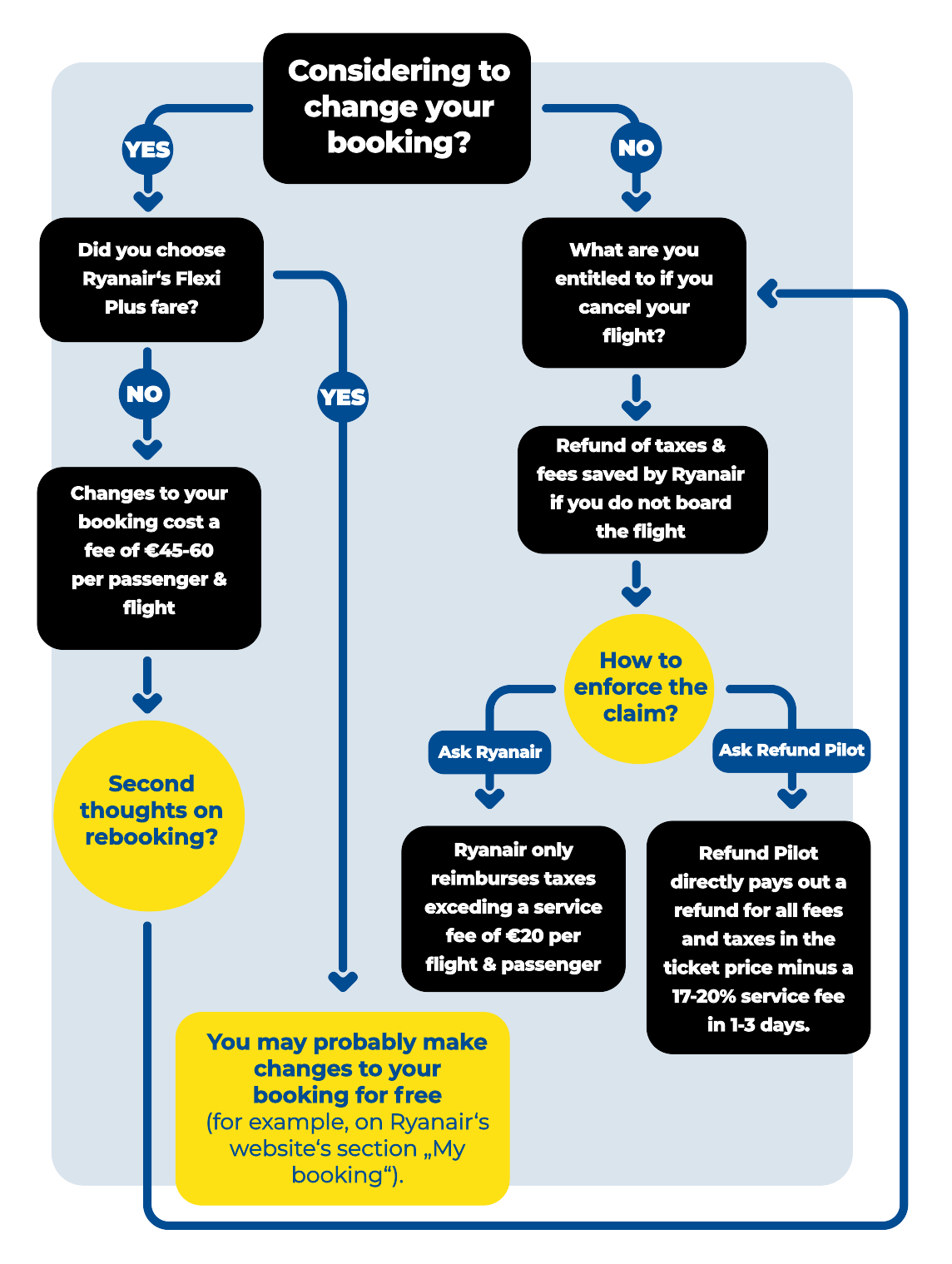
The cancellations have resulted in considerable inconvenience for travellers, with many left stranded at airports or required to make last-minute alternative arrangements. Affected passengers have reported frustration over the lack of timely communication from the airline regarding rebooking options or refunds. Ryanair has, however, stated that it aims to assist impacted customers by offering rebooking services or alternative travel arrangements.
Response and Future Outlook
In light of the recent disruptions, Ryanair has pledged to improve its operational resilience and ensure that staff levels are sufficient to handle the increased demand. The airline is currently working on implementing changes to its scheduling processes and bolstering its workforce to avoid similar issues in the future. Analysts suggest that while Ryanair may face ongoing challenges during the peak travel season, its commitment to low-cost flight options will continue to attract passengers despite these recent setbacks.
Conclusion
The recent cancellations of Ryanair flights underscore the vulnerabilities faced by airlines in a recovering travel market. As Ryanair navigates these challenges, passengers are encouraged to stay informed about their flight statuses and prepare for potential disruptions. The airline’s response to these events will play a crucial role in shaping its reputation and customer loyalty in the coming months.