Introduction
Rufus Wainwright, an emblematic figure in modern music, has been captivating audiences with his distinctive sound and heartfelt lyrics for over two decades. With an expansive career that spans genres and international borders, Wainwright’s artistry resonates with fans worldwide. His impact on the music industry, particularly in the realms of pop, classical, and folk music, underscores the significance of his contribution to contemporary culture.
Career Highlights
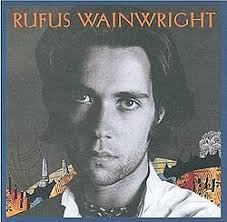
Born on July 22, 1973, in Rhinebeck, New York, Wainwright is the son of renowned folk singer Loudon Wainwright III and folk singer Kate McGarrigle. He began to write songs in his teens and gained critical acclaim with his self-titled debut album in 1998. His unique blend of rich melodies and literary lyrics, coupled with a theatrical performance style, quickly set him apart from his contemporaries.
Rufus Wainwright’s discography includes celebrated albums such as “Poses,” “Want One,” and “Want Two,” each pushing the boundaries of pop music and exploring deeper themes of love, loss, and identity. Throughout his career, he has collaborated with notable artists like Elton John, Mark Ronson, and Joni Mitchell, further solidifying his status as a versatile performer.
Recent Developments
As of 2023, Wainwright continues to tour and release new music, much to the delight of his dedicated fan base. His most recent album, “Unfollow the Rules,” released in 2020, received widespread acclaim for its maturity and introspective lyrical content. Wainwright’s ongoing engagement with contemporary issues, including LGBTQ+ rights and mental health awareness, underscores his commitment to using his platform for advocacy. This engagement was highlighted during his recent performances which often included reflections on the challenges faced by marginalized communities.
Cultural Significance
Wainwright’s contributions go beyond music; he has also ventured into opera and film scoring. His opera, “Prima Donna,” premiered to great success, showcasing his ability to meld classical compositions with modern narratives. As an openly gay artist, Wainwright has been a trailblazer for LGBTQ+ representation in the arts, inspiring countless aspiring musicians with his authentic self-expression. His open discussions about mental health have also contributed to destigmatizing these issues in the public domain.
Conclusion
Rufus Wainwright remains a significant figure in the music industry, known for his emotional depth and artistic innovation. As he continues to explore new musical territories and advocate for social causes, Wainwright’s legacy will undoubtedly endure, influencing future generations of musicians and songwriters. Fans can look forward to more mesmerizing performances and thought-provoking music from this extraordinary talent.