Introduction
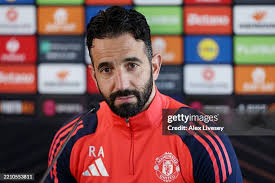
Ruben Amorim, at just 38 years old, has emerged as one of the most promising coaches in modern football. His innovative tactics and impressive management style have not only revitalised Sporting Lisbon but also set him on a path to becoming one of the top managers in Europe. As clubs across the continent continue to look for fresh leadership, Amorim’s rise is particularly relevant in the context of current managerial shifts within football.
Amorim’s Background
Born in Corroios, Portugal, Amorim began his football career as a midfielder, playing for notable clubs like Benfica, where he made a name for himself. After retiring early due to injuries, he quickly transitioned into coaching. He initially took charge of the Benfica B team before moving to Sporting CP, where he has achieved remarkable success. His appointment as head coach in March 2020 turned out to be a pivotal moment for the club.
Career Achievements
Under Amorim’s leadership, Sporting Lisbon won the Primeira Liga title in the 2020-2021 season, their first championship in nearly two decades. His tactical acumen and ability to develop young talent, such as Pedro Gonçalves and Nuno Mendes, have garnered admiration not just from Sporting fans but from football analysts worldwide. Moreover, Amorim’s strategic adaptability has allowed Sporting to compete vigorously in European tournaments, positioning them as formidable opponents against traditional heavyweights.
Current Developments
As of October 2023, Amorim’s name is frequently mentioned in connection with top clubs looking to replace managers following disappointing seasons. With a playing philosophy that emphasises high-pressing football and a solid defensive structure, clubs in England and Italy are reportedly monitoring his progress closely. His ability to create cohesive teams and play attractive football makes him a prime candidate for managerial positions at elite clubs.
Conclusion
Ruben Amorim represents a new generation of football managers who combine tactical intelligence with the capacity to nurture young talent. His success at Sporting Lisbon has not only reinvigorated the club but also highlighted the potential for young coaches in the sport. As he continues to gain recognition, it will be interesting to see where his career takes him next. Whether he remains at Sporting for the long haul or takes up a challenge at a larger club, Amorim’s trajectory indicates a significant impact on the football management landscape in the years to come.