Introduction
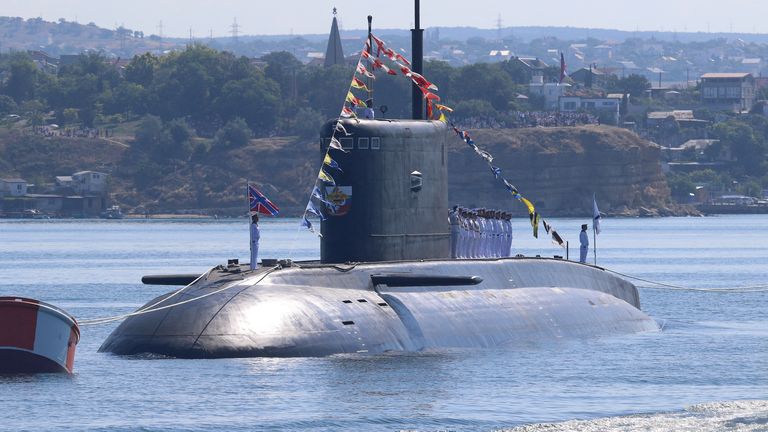
The presence of Russian submarines near French territorial waters has become a significant topic of discussion among military analysts and policymakers. This surge in naval activity raises crucial questions regarding maritime security and the geopolitical landscape in Europe. As tensions between Russia and the West continue to escalate, the implications of Russian submarine movements are garnering increasing attention from both the media and the international community.
Recent Events
In recent weeks, French naval officials have reported an uptick in the surveillance and detection of Russian submarines operating in the Atlantic. Notably, on October 10, 2023, French forces announced they had been monitoring what they described as increased ‘unusual activity’ around the Bay of Biscay. These observations have coincided with strategic military drills conducted by NATO in response to Russian maneuvers.
French Defense Minister Sébastien Lecornu commented on the situation, stating that ‘France remains vigilant and ready to respond to any potential threats in its maritime territories.’ The French Navy has taken proactive steps, including heightened patrolling initiatives and deploying additional resources to monitor any unauthorized submarine activity.
Experts suggest that these maneuvers could be a message of strength from Russia, particularly as tensions have flared over issues such as Ukraine and energy security in Europe. Military analysts have pointed to the significance of submarine capabilities, highlighting their role in strategic deterrence.
Strategic Implications
The presence of Russian submarines near France is part of a broader pattern of assertive military posturing by Russia, aimed at testing Western resolve and capabilities. The La Rance and other key naval installations along the French coast are particularly vulnerable, raising alarms regarding potential intelligence-gathering operations or submarine warfare capabilities.
Additionally, with France maintaining its key position within NATO, any changes in Russia’s submarine strategy can profoundly affect not just France’s defense posture but also the collective security framework of Europe. The European Union has urged for increased collaboration among member states to enhance surveillance, information sharing, and readiness to manage maritime threats posed by non-NATO entities.
Conclusion
As the situation unfolds, the developments surrounding Russian submarines and their implications for France remain critical. Analysts predict that these maritime tensions will not only persist but may also escalate if diplomatic channels fail to address underlying geopolitical issues. Readers must stay informed about the evolving dynamics, as they could herald significant changes to the security landscape in Europe. The need for vigilance and preparedness among naval forces in the region is more vital than ever in light of the current geopolitical climate.