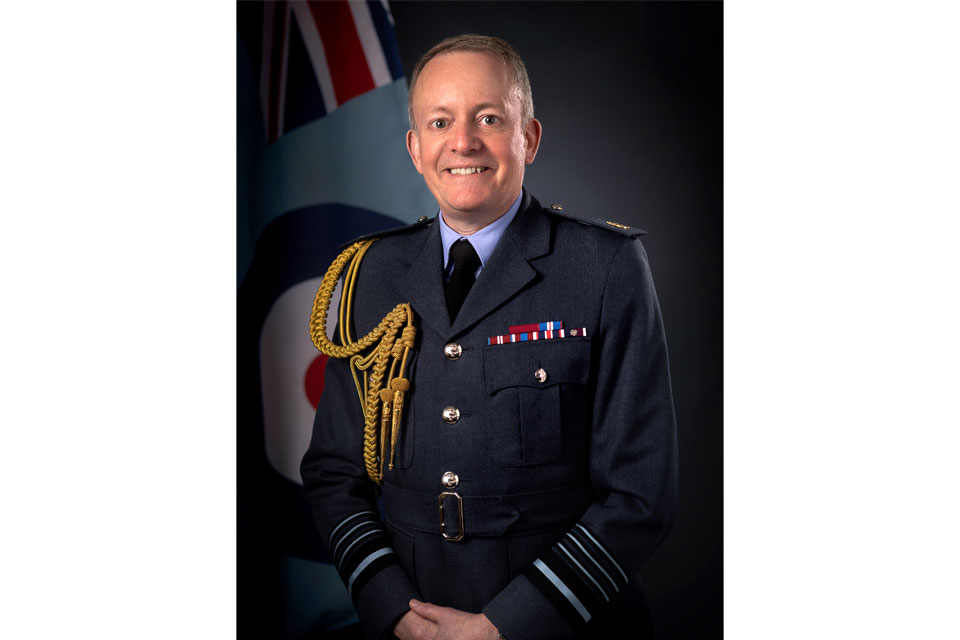
Importance of Leadership in the Air Force
The appointment of high-ranking officials in military structures is critical for national security and operational effectiveness. Richard Knighton’s ascension to the role of Chief of the Air Staff signifies not only a change in leadership but also a potential shift in strategic outlook for the Royal Air Force (RAF), especially in the current geopolitical climate.
Background of Richard Knighton
Richard Knighton, who took over as Chief of the Air Staff in late 2023, has had a distinguished career in the RAF. He entered service in 1990 and has held various senior positions, including Director of Defence Strategy and Assistant Chief of the Air Staff. Knighton’s experience encompasses both operational and strategic roles, which will be vital for guiding the RAF through increasingly complex challenges.
Current Challenges and Strategic Outlook
The UK, facing evolving threats from state adversaries and emerging technologies, requires a responsive and agile air force. In his initial statements, Knighton emphasised the need for modernising capabilities, particularly with the integration of unmanned aerial vehicles (UAVs) and advanced cyber capabilities. His leadership is expected to foster innovation while ensuring that the RAF maintains its core operational readiness.
One of Knighton’s immediate priorities is to address the air force’s personnel shortages, which have been an ongoing issue. The RAF aims to attract new recruits while retaining experienced members, especially in key roles critical for future missions. The challenge of balancing recruitment with technological advancement is central to Knighton’s vision.
Conclusion: The Future of the RAF Under Knighton’s Leadership
Bringing his wealth of experience to the forefront, Richard Knighton’s leadership is poised to shape the future of the UK Air Force significantly. As global dynamics change and the pace of technological advancement accelerates, Knighton’s focus on modernisation and recruitment will be crucial. The outcomes of his tenure will be closely watched, not only within military circles but also by policymakers and the public alike. His approach will heavily influence how the RAF adapts to meet the demands of both current and future conflicts, ensuring that the UK continues to maintain its status as a leading military force.



