Introduction
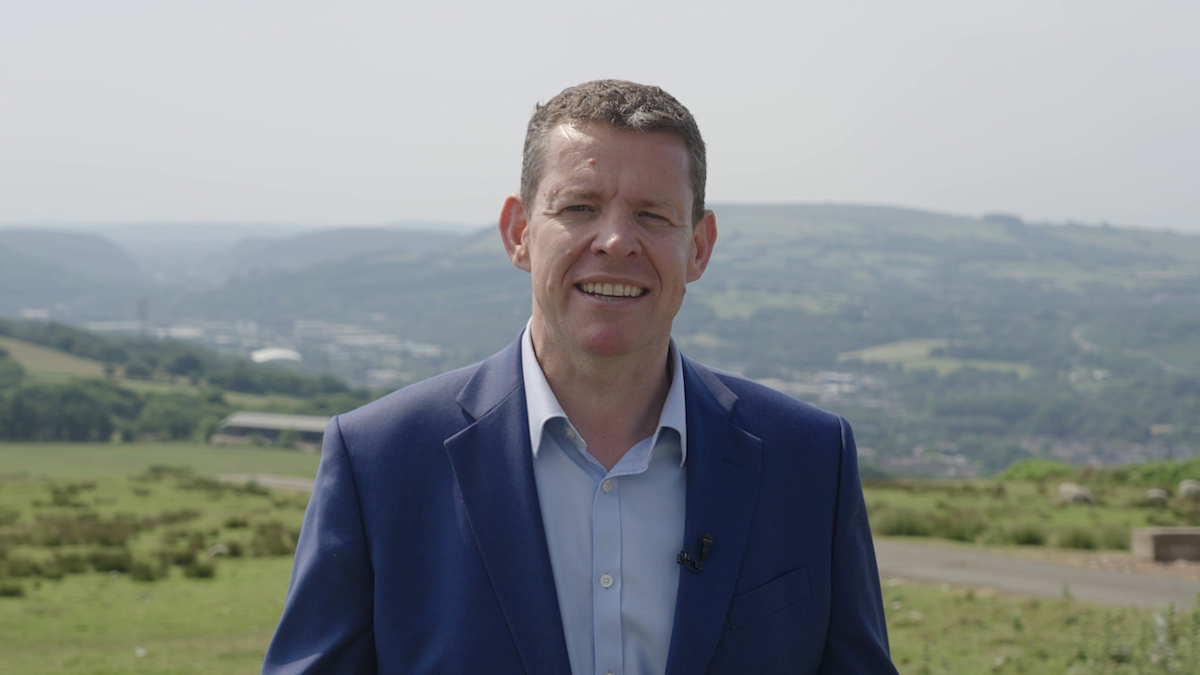
Rhun ap Iorwerth, the Member of the Senedd for Ynys Môn and a prominent figure in the Plaid Cymru party, has become increasingly pertinent in discussions surrounding Welsh politics and public policy. His contributions are crucial in addressing the diverse challenges facing Wales today, particularly in the wake of Brexit and the ongoing discussions about devolved powers. This article explores his recent activities and impact on Wales’ political landscape.
Political Career
Since being elected to the Senedd in 2013, Rhun ap Iorwerth has played a significant role in advocating for the rights and needs of his constituency and Wales as a whole. He has sat on various committees focused on health, economy, and community affairs, positioning himself as a voice for rural and coastal communities. Iorwerth serves as the Shadow Minister for Health and Social Services, where he has opposed cuts to NHS budgets and pushed for improved service provisions for residents.
Recent Developments
Recently, Rhun ap Iorwerth has been at the forefront of discussions regarding the future of Wales’ health services amid the COVID-19 pandemic recovery. In a recent debate, he emphasised the importance of addressing mental health services, advocating for increased funding and accessibility for those in need. Furthermore, he has been vocal about ensuring that decisions affecting Wales are made in Wales, resisting any attempts to centralise power back in Westminster.
In addition, he has launched initiatives focusing on sustainable development, particularly in relation to renewable energy projects in Ynys Môn, which aim to create jobs and boost the local economy while addressing climate change concerns. His proposals reflect a commitment to both community welfare and environmental sustainability, appealing to a broad demographic.
Community Engagement
Iorwerth has also been active in engaging with local communities, participating in numerous town hall meetings, and listening sessions. His approachable nature and dedication to constituent feedback have earned him respect and trust among residents. Addressing various local issues, he championed initiatives to improve infrastructure and local transport, which are essential for connecting the community and promoting economic vitality.
Conclusion
Rhun ap Iorwerth continues to be a pivotal figure in shaping the policies that affect Wales. As he navigates the complexities of Welsh politics, his focus on responsive governance—rooted in community needs and sustainable development—will likely prove significant in ensuring a prosperous future for both Ynys Môn and Wales as a whole. As the political landscape evolves, the role of leaders like Iorwerth will be crucial in steering Wales toward greater autonomy and innovation.