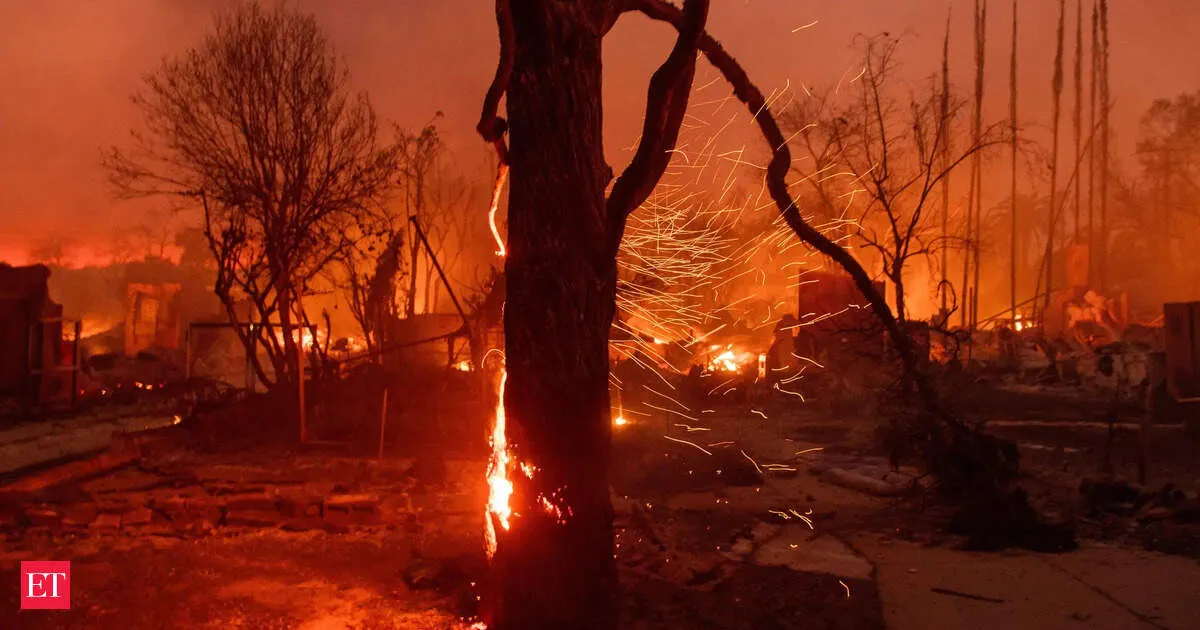
In recent years, communities across the southeastern United States have become increasingly aware of the dangers posed by wildfires. Historically, the fire season was often marked by a sense of caution, but the emergence of Red Flag Warnings has heightened this awareness significantly.
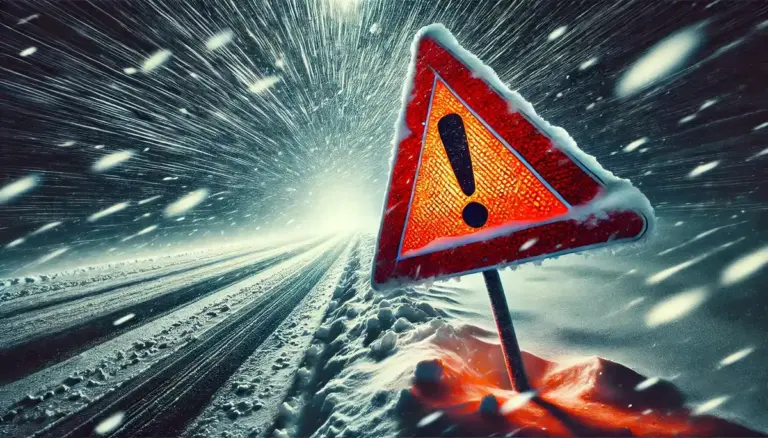
A Red Flag Warning means that critical fire weather conditions are either occurring now or will shortly. This warning is particularly relevant for states like Alabama, Georgia, Florida, Mississippi, Louisiana, South Carolina, and portions of North Carolina, where conditions can shift rapidly.
Recently, meteorological data indicated a decisive change in weather patterns. With strong winds expected to reach speeds of 10-20 mph, gusts up to 35 mph, and relative humidity dropping as low as 20%, the fire weather threat has escalated. These conditions are ripe for extreme fire behavior, prompting the National Weather Service to issue warnings.
The immediate effects of this warning are significant. Outdoor burning is not recommended during a Red Flag Warning, as any fires that ignite could spread rapidly and become difficult to control. This precaution is crucial for protecting both lives and property in affected areas.
In Minnesota, the fire weather threat risk varies, with some counties experiencing moderate drought conditions. Aitkin, Cass, and Crow Wing counties are currently listed as having limited to elevated risk, while Mille Lacs, Morrison, and Todd counties face elevated to significant risks. This disparity highlights the need for community vigilance.
Experts emphasize the importance of understanding these warnings. According to the National Weather Service, “Any fires that ignite could spread rapidly and become difficult to control.” This statement underscores the urgency for residents to heed the warnings and take necessary precautions.
As communities navigate these heightened risks, local fire departments and emergency services are on alert, ready to respond should a fire break out. The collaboration between residents and these agencies is vital in ensuring safety.
In conclusion, the Red Flag Warning serves as a critical tool for informing the public about fire risks. As weather patterns continue to evolve, staying informed and prepared is more important than ever for communities across the affected states.