Introduction
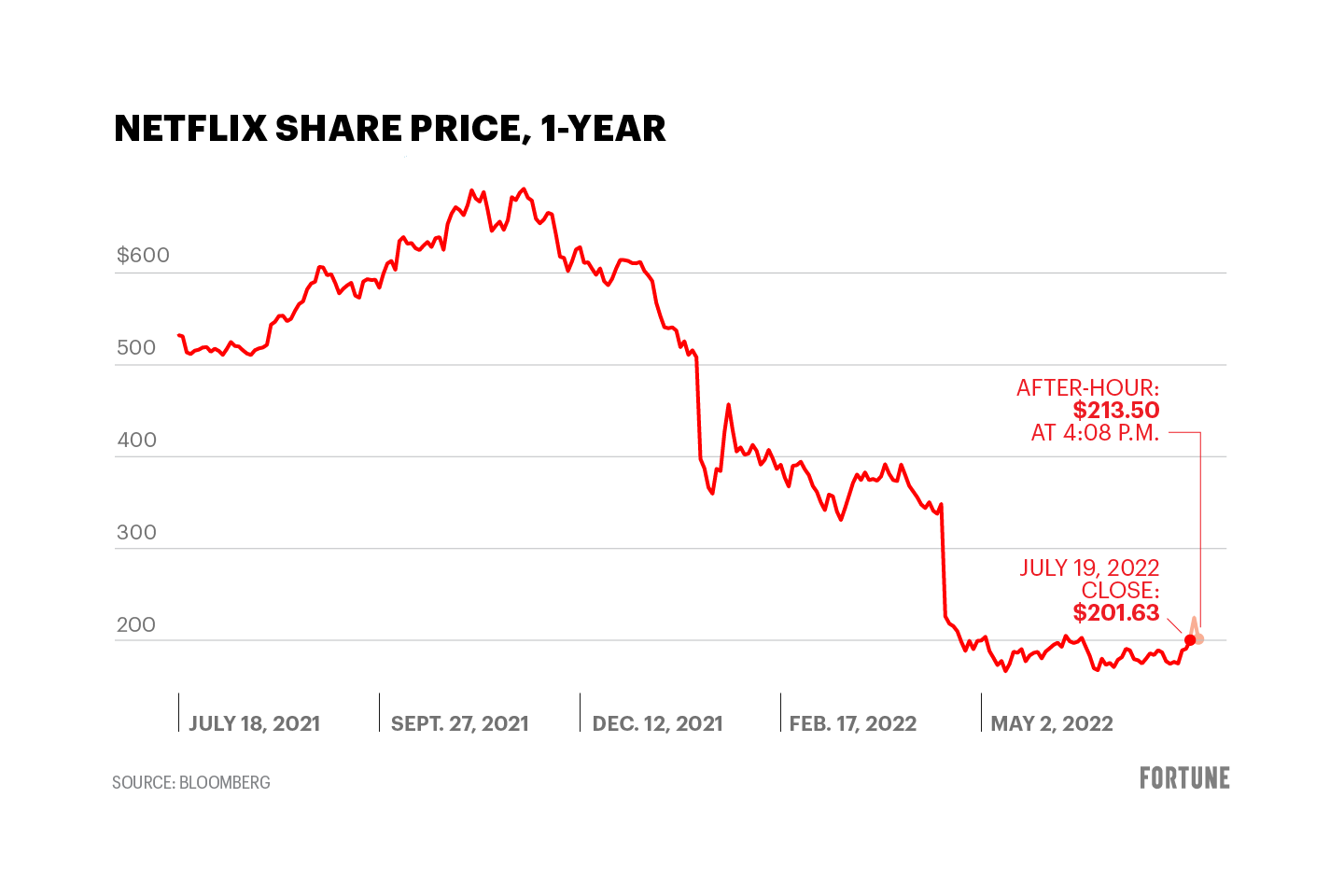
The share price of Netflix, a leader in the streaming industry, has been a topic of discussion among investors and market analysts. As a company that revolutionised how audiences consume entertainment, tracking its share price is crucial for understanding its market position and investor sentiment. With the streaming landscape evolving rapidly, fluctuations in Netflix’s share price can have significant implications not just for the company but for the broader entertainment sector as well.
Current Trends in Netflix Share Price
As of mid-October 2023, Netflix’s share price has experienced notable volatility. Following a period of steady growth in early 2023, where shares hit a peak of approximately £550, the stock faced a decline, dropping to around £470 by early October. This decrease has been attributed to a combination of factors including increased competition from rivals like Disney+ and Amazon Prime Video, and concerns over subscriber growth in a saturated market.
Moreover, Netflix’s recent decision to crack down on password sharing has been closely monitored by analysts, with many viewing it as a potential revenue booster if it leads to a significant increase in paid subscriptions. This approach has sparked debates among investors, as some remain wary of alienating existing users while others see it as a necessary step towards sustainable growth.
Analyst Predictions
Market analysts have mixed opinions on the future trajectory of Netflix’s share price. While some predict a recovery towards the higher end of the stock price spectrum, suggesting a significant turnaround in subscriber growth can reposition Netflix as a market leader, others caution potential further declines should the streaming service fail to innovate its content offerings effectively.
A recent survey among investment professionals indicated that about 60% of respondents believe Netflix’s stock could rebound over the next six months, while the remaining analysts expressed skepticism due to the fiercer competition and economic inflation impacting discretionary spending.
Conclusion
In conclusion, Netflix’s share price movements are reflective of broader trends in the entertainment industry. While the current downturn raises questions about sustainable growth and competition, there is a cautious optimism among some analysts regarding recovery strategies such as subscription reforms and content diversification. For investors, closely monitoring these developments will be crucial in making informed decisions as Netflix continues to navigate through an increasingly competitive streaming landscape.