Introduction
On October 20, 2023, a significant train derailment occurred in London, resulting in injuries and widespread disruption for commuters. As the UK’s bustling capital grapples with networking transport systems that face heightened traffic, this incident serves as a harsh reminder of the importance of railway safety and infrastructure maintenance.
Details of the Incident
The derailment took place in the early morning hours at approximately 7:30 AM, when a South Eastern train operating from Kent to London Victoria veered off the tracks near Clapham Junction. Preliminary reports indicate that the train, carrying over 150 passengers, encountered issues just moments before the derailment. Thankfully, no fatalities were reported; however, at least 15 passengers sustained minor injuries.
Immediate Impact
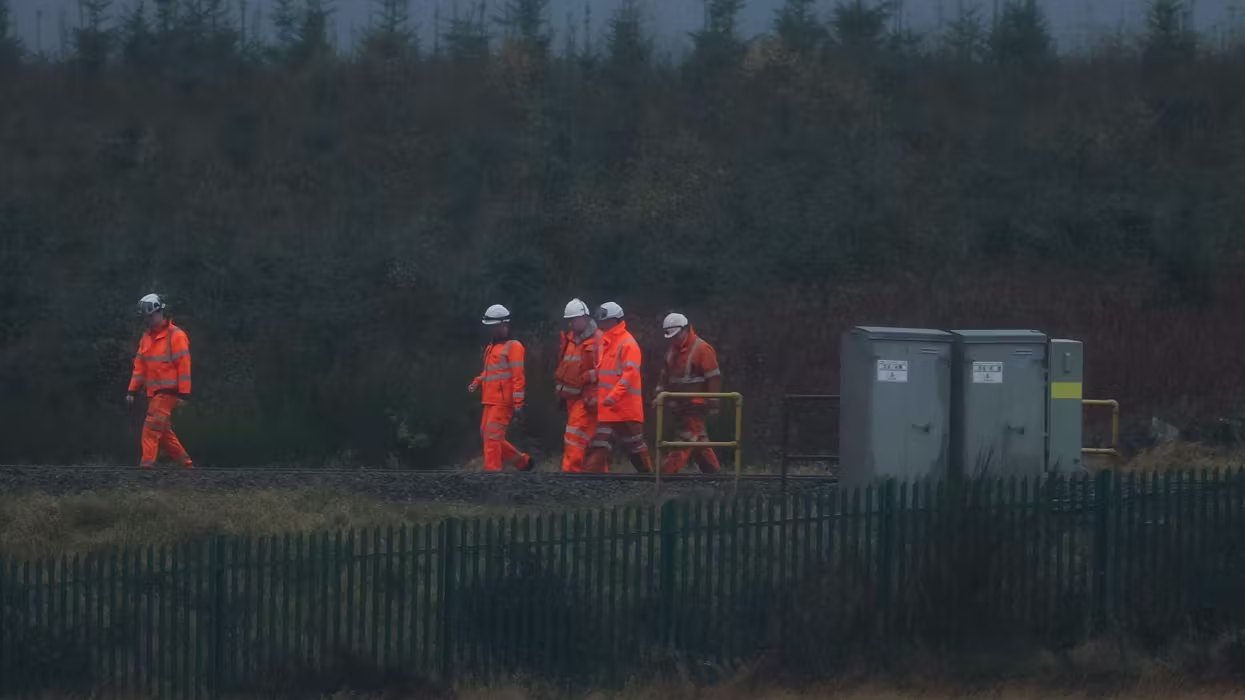
The derailment led to the closure of multiple railway lines in and out of central London, causing significant delays and cancellations throughout the day. Transport for London (TfL) and Network Rail were quick to respond, deploying emergency services and setting up alternative routes for commuters. Train services were temporarily replaced with bus services. By midday, some services resumed, but full railway operations would not be restored until the following day.
Investigation and Safety Concerns
In the wake of the incident, an investigation was launched by the Rail Accident Investigation Branch (RAIB) to establish the cause of the derailment. The focus is expected to be on potential issues surrounding track maintenance and the condition of infrastructure, which have come under scrutiny following past incidents in the UK transport network. Safety experts have voiced concerns that overcrowded services and ageing rail systems could exacerbate the risk of future accidents.
Conclusion
This train derailment highlights ongoing challenges in ensuring safety across London’s transit network. As an essential artery for commuting in one of the busiest cities in the world, the UK’s railway system requires continuous investment and maintenance to prevent similar occurrences. Looking ahead, authorities may face increased pressure to enhance scrutiny of rail infrastructure, which will be crucial not only for passenger safety but also for the efficiency of the city’s transportation ecosystem. As investigations continue, passengers are urged to stay updated on service alerts and safety measures put in place during this critical period.