Introduction
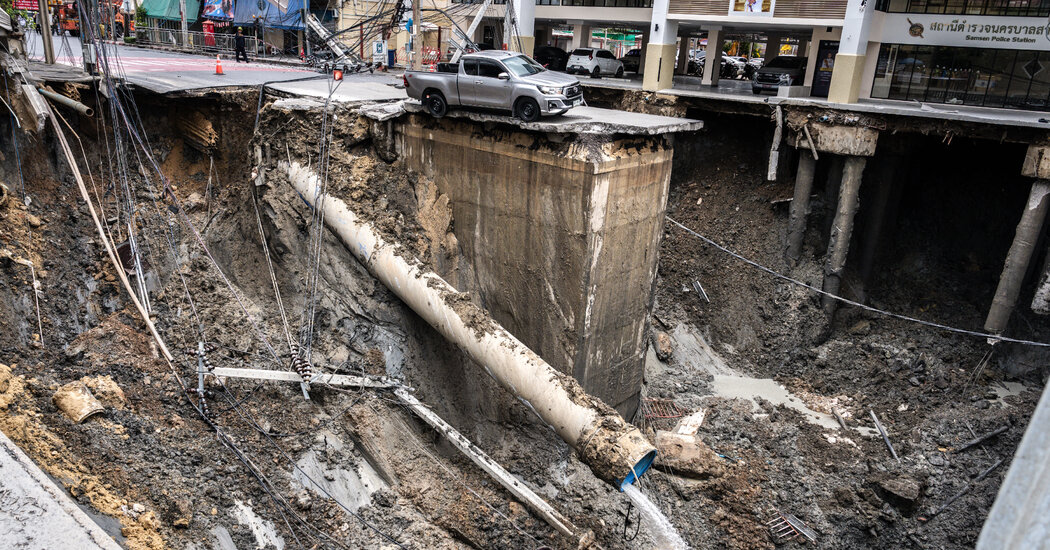
The recent emergence of a massive sinkhole in Bangkok has captured significant attention, raising concerns over the stability of the city’s infrastructure. This incident not only poses immediate risks to public safety but also highlights the pressing issue of urban planning and maintenance amidst rapid urbanisation in Thailand’s capital.
Details of the Sinkhole Incident
On March 15, 2023, a large sinkhole approximately 5 metres wide and 10 metres deep appeared on a busy street in the heart of Bangkok, specifically in the Ratchathewi district. This disruption of road infrastructure caused significant traffic chaos, prompting swift responses from city officials. Within hours, repair crews were dispatched to assess and mitigate the situation, while area evacuations ensured the safety of pedestrians and nearby residents.
Initial investigations revealed that the sinkhole’s formation may have been caused by outdated drainage systems and the heavy rains experienced in recent weeks. The Bangkok Metropolitan Administration (BMA) has stated that regular inspections of the drainage infrastructure are essential to prevent further occurrences, stressing that climate change and extreme weather patterns could exacerbate such issues.
Government Response and Future Implications
In the aftermath of the sinkhole, the BMA has committed to enhancing maintenance schedules for existing infrastructure, as well as investing in upgrading drainage systems to better withstand extreme weather. City planners have also sparked discussions about adopting more sustainable urban development practices. These practices include improved public transportation systems and green spaces to manage rainwater more effectively.
Experts warn that with continued urban growth and population density in Bangkok, incidents like this are likely to become more common if proactive measures are not taken. The sinkhole has served as a wake-up call for the city; urban management must evolve to address the multiple pressures that come with rapid urbanisation.
Conclusion
The Bangkok sinkhole incident serves as a stark reminder of the challenges facing major cities in an age of climate change and urban sprawl. As city officials grapple with the repercussions of this event, it is critical for Bangkok to adopt forward-thinking infrastructure strategies that prioritise public safety and environmental resilience. The implications of such strategies will be significant not only for the city’s residents but also for the overall sustainability of urban centres worldwide.