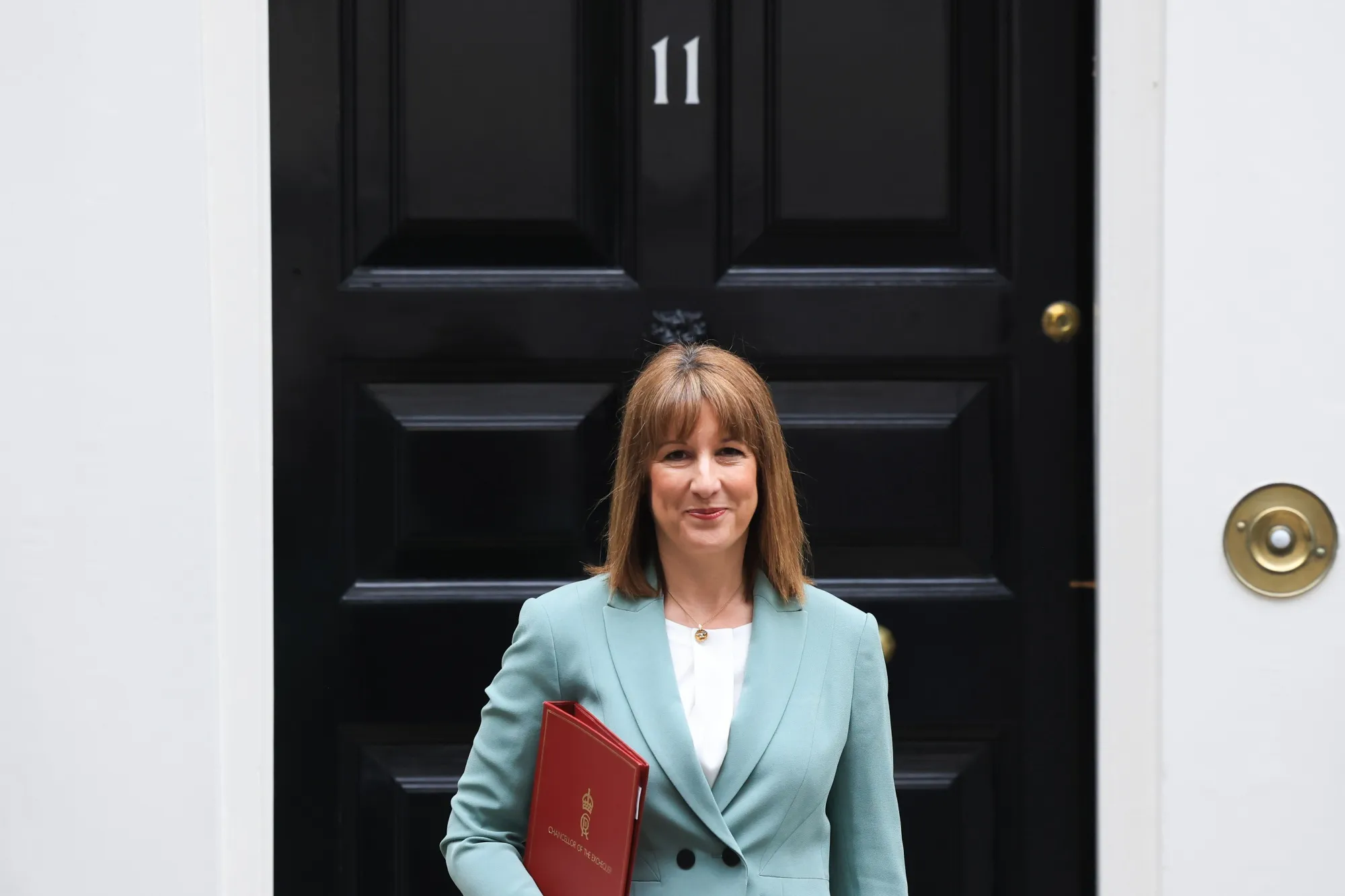
Importance of the Chancellor of the Exchequer
The Chancellor of the Exchequer is a key position within the UK government, responsible for economic and financial matters including public spending, financial regulations, and tax policies. Understanding the work and decisions of the Chancellor is vital, especially in a time of economic uncertainty and global challenges.
Recent Events and Key Decisions
As of October 2023, Chancellor Jeremy Hunt has been at the forefront of addressing the UK’s economic challenges. With the economy grappling with the impacts of inflation, rising energy costs, and post-Brexit trade issues, Hunt recently announced a new financial plan aimed at stabilising the economy and fostering long-term growth. This plan includes targeted investments in infrastructure and education, alongside measures to alleviate the current cost of living crisis faced by many households.
During a press briefing, Hunt emphasised the importance of fiscal responsibility while also recognising the urgent need for investment in sectors that promise future economic benefit. This balanced approach seeks to maintain public confidence in the government’s economic strategy.
Public Reaction and Economic Implications
Public reaction to these announcements has been mixed. While some applaud Hunt’s focus on investment and growth, critics argue that more immediate measures are necessary to help those struggling with rising costs. Economic analysts have noted that the measures outlined in the Chancellor’s plan could lead to a more robust economic recovery if implemented effectively, but they also warn of the risks of continued high inflation if spending is not carefully managed.
Conclusion and Future Outlook
The role of the Chancellor of the Exchequer continues to be pivotal as the UK navigates its economic landscape. As 2023 progresses, all eyes will be on the Chancellor’s ability to balance fiscal prudence with the need for growth stimulation. The decisions made by the Chancellor in the coming months will likely have far-reaching implications on the UK economy, influencing everything from public services funding to personal tax rates. For citizens and stakeholders alike, staying informed on these developments remains crucial for understanding the potential trajectory of the country’s economic future.