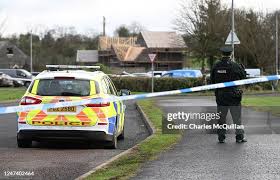
Importance of the PSNI in Northern Ireland
The Police Service of Northern Ireland, commonly known as the PSNI, plays a crucial role in maintaining law and order in Northern Ireland. Established in 2001, it succeeded the Royal Ulster Constabulary and works to ensure community safety and uphold the rule of law. Given the region’s complex social fabric and historical challenges, the PSNI’s strategies, community engagement, and transparency are vital in fostering trust and cooperation between law enforcement and citizens.
Current Events and Challenges Faced by the PSNI
In recent months, the PSNI has faced several challenges, including rising crime rates linked to violence and drug-related offences. Reports indicate a 15% increase in violent crime compared to the previous year, sparking concerns among community leaders and government officials. There have also been ongoing discussions about the resources and funding required for the PSNI to effectively manage these issues while maintaining community confidence. Chief Constable Simon Byrne recently stated the importance of adjusting the policing strategy to address various forms of crime more effectively.
Community Engagement Initiatives
The PSNI has been proactive in launching several community engagement programmes aimed at rebuilding trust with the public. Initiatives like the ‘Community Police Teams’ have been instrumental in addressing local concerns, conducting outreach, and improving relationships between officers and neighbourhoods. In recent public forums, officers have listened to community grievances regarding safety and have provided updates on measures being taken to combat crime, which have been overwhelmingly supported by residents.
Future Outlook for the PSNI
The PSNI is currently navigating a critical period where transparency and accountability are paramount. With calls for systemic changes in policing practices, the organisation has committed to regularly reporting on crime statistics and engaging with diverse community voices. Essential to their strategy is the recruitment and retention of officers who reflect the community’s diversity and are equipped to handle the evolving nature of crime.
Conclusion
The Police Service of Northern Ireland remains central to the peace and stability of the region. With community engagement at the forefront of their operations and ongoing discussions about resource allocation, the effectiveness of the PSNI may hinge on their ability to adapt to the changing landscape of crime and public safety. Continued support and constructive dialogue between the PSNI and local communities will be crucial in shaping a safer Northern Ireland moving forward.