Introduction
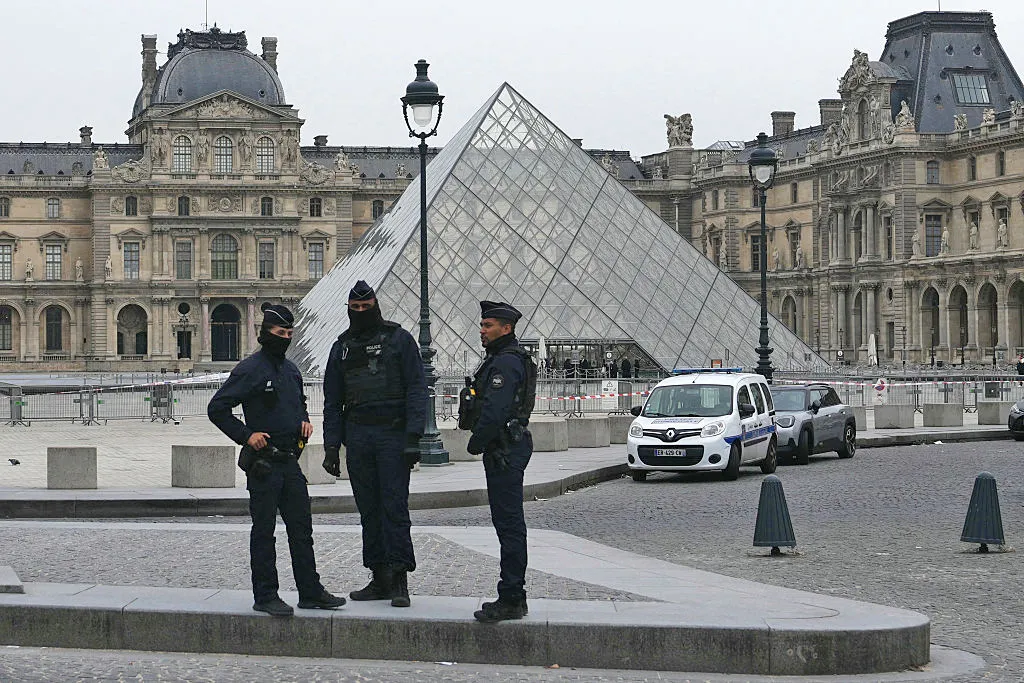
The Louvre Museum, one of the world’s most renowned art institutions, was rocked by a significant robbery that has garnered international attention. This incident is not just a tale of theft; it raises pressing questions about security at cultural venues and the measures taken to protect invaluable artworks. As one of Paris’s top tourist attractions, the museum’s safety and security are vital not only to its reputation but also to the wider art community and public trust.
The Robbery Details
On October 2, 2023, the Louvre Museum experienced an audacious heist when a group of thieves successfully evaded security systems to steal several priceless artefacts, including rare manuscripts and a celebrated painting from the Italian Renaissance. According to initial reports from the Paris police department, the estimated value of the stolen items exceeds €10 million. The thieves managed to make their way through a lesser-monitored exit, raising alarm bells about the museum’s security practices.
Response from Authorities
Following the incident, French authorities have ramped up investigations, utilizing CCTV footage and eyewitness accounts to track down the suspects. The Louvre’s director, Jean-Luc Martinez, expressed deep concern over the event, stating, “This robbery is a wake-up call for all institutions that house cultural heritage. We must strengthen our security protocols to ensure the safe keeping of our collections.” In the aftermath, several high-profile security firms have been contacted to conduct comprehensive risk assessments of the museum’s facilities.
Impact on the Art Community
The theft has sparked a nationwide conversation about the protection of art in public spaces. Experts worry that this heist may serve as a precursor to increased criminal interest in museums, given the demonstrated vulnerability. High-profile artists, curators, and art historians have vocalised their disappointment over the incident, calling for collective action to safeguard artworks. Moreover, art collectors have expressed concerns regarding the potential for stolen works to enter the black market, complicating recovery efforts.
Conclusion
The Louvre Museum robbery is not only a significant loss for the institution but also a troubling indicator of the challenges faced in safeguarding cultural heritage. As investigations continue, the emphasis on fortifying security measures will likely lead to broader discussions on the protection of art. As the art world reflects on the implications of this event, it is a stark reminder of the age-old battle between art preservation and theft. Art aficionados and the general public alike await updates on the recovery of the stolen pieces and what measures will be implemented to prevent future incidents.