Introduction
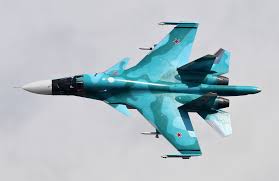
Russian fighter jets have long been a crucial component of the country’s military capabilities, symbolising its strength and technological advancements. The significance of these aircraft has grown in recent years, particularly as geopolitical tensions rise and military strategies evolve. In light of recent events, the operational capabilities and future developments of Russian fighter jets warrant closer examination.
Current State of Russian Fighter Jets
As of October 2023, Russia’s air force continues to rely heavily on its fleet of advanced fighter jets, including the Su-57 and Su-35 models. The Su-57, touted as a fifth-generation stealth fighter, is designed for versatile missions, including air superiority and ground attack. Despite initial production struggles, reports indicate that operational numbers are gradually increasing as upgrades and enhancements are made to the aircraft’s systems.
Furthermore, the Su-35, known for its agility and advanced avionics, remains a cornerstone of Russia’s aerial fleet and is actively deployed in various conflict zones, showcasing its combat readiness. Recent military exercises have demonstrated the effectiveness of these jets in a range of scenarios, including air-to-air and air-to-ground missions.
Recent Military Activities
Recent reports have highlighted Russian fighter jets’ involvement in various military operations, particularly in Syria and along its borders. These operations not only reflect the strategic utility of these aircraft but also serve as a demonstration of military power to both allies and adversaries. In Syria, Russian jets have been deployed extensively, engaging in combat operations against opposition forces and showcasing advanced tactics.
Moreover, joint exercises with allied countries such as Belarus have raised the stakes in Eastern Europe, with NATO keeping a vigilant eye on Russian air capabilities. The forward deployment of advanced fighter jets to operational bases near the borders of NATO member states has sparked concerns about a potential escalation in tensions.
Conclusion
The continued development and deployment of Russian fighter jets illustrate the country’s commitment to modernising its military forces amidst a complex geopolitical landscape. As tensions between Russia and NATO persist, the implications of these advancements extend beyond mere military preparedness; they hold significant consequences for international stability and security. Observers suggest that the evolution of Russia’s air capabilities could further complicate diplomatic relations and increase military posturing in the region.
In summary, the advancements in Russian fighter jets, coupled with their active involvement in ongoing military engagements, underscore the urgent need for global leaders to maintain dialogue aimed at de-escalation. The future trajectory of these developments remains to be seen, but their implications for regional and international security are profound.