Introduction
The quest for Palestinian statehood remains a pivotal issue in international politics, significantly influencing the dynamics of the Middle East. With ongoing conflicts, shifting alliances, and evolving diplomatic efforts, the topic of Palestinian statehood is more relevant than ever. Recent events have underscored the necessity for a constructive dialogue regarding Palestinian rights and sovereignty.
Current Events and Developments
In the last few months, the discourse surrounding Palestinian statehood has intensified, especially following the recent announcements from various international bodies. In September 2023, the United Nations General Assembly convened, where several member states voiced strong support for Palestinian self-determination. This gathering marked the anniversary of the recognition of Palestine as a non-member observer state in the UN.
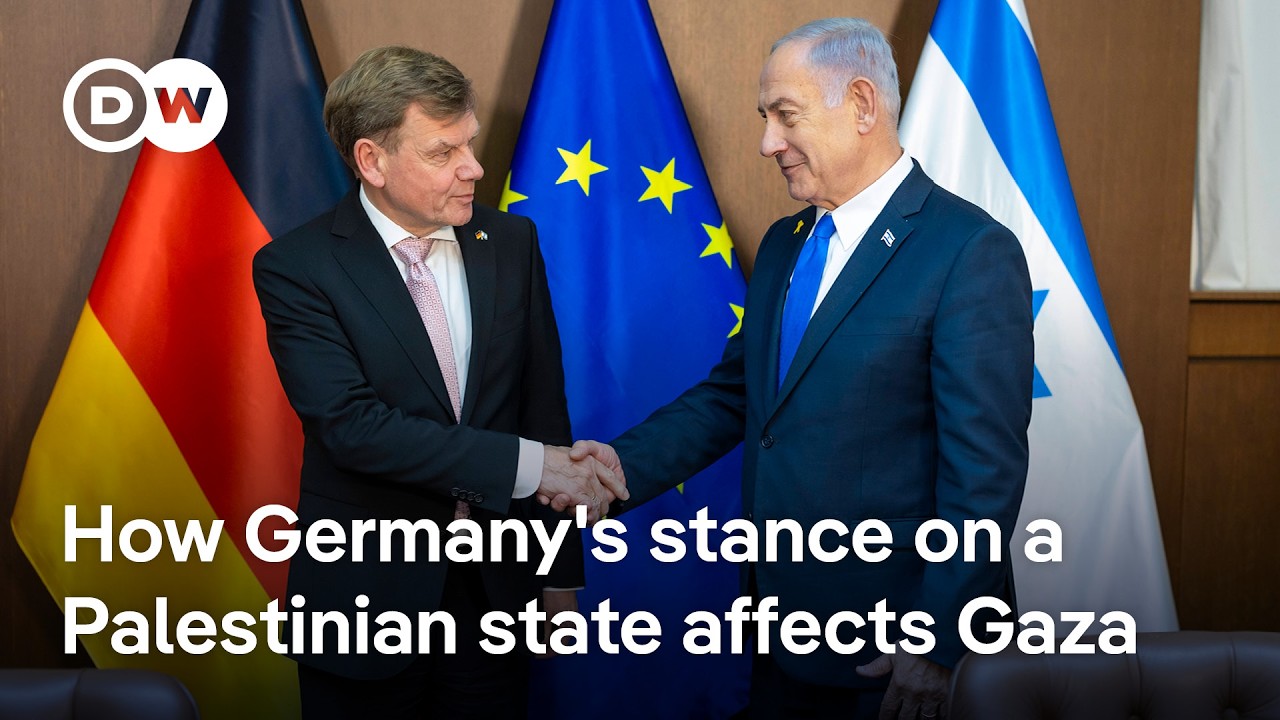
Furthermore, in October 2023, the European Union reiterated its commitment to a two-state solution, calling for renewed negotiations between Israel and Palestine. The EU emphasized that both parties should return to the table to address longstanding issues, including borders, security, and the status of Jerusalem. The EU’s heightened involvement comes in the context of increasing geopolitical tensions in the region, particularly in light of recent escalations in violence.
The Role of Key Players
Significant players, including the United States, Russia, and various Arab nations, continue to play a critical role in the push for Palestinian statehood. The Biden administration has expressed a nuanced support for the Palestinian cause while maintaining strong ties with Israel. Meanwhile, regional powers like Egypt and Jordan have made renewed efforts to mediate dialogue, aiming to bridge gaps between the conflicting sides.
Moreover, internal dynamics within Palestinian politics are essential to this discourse. The division between the Palestinian Authority in the West Bank and Hamas in Gaza presents challenges for establishing a unified front in negotiations, raising questions about representation and governance.
Conclusion and Future Implications
As the dialogue around Palestinian statehood develops, it holds significant implications for regional stability and international relations. The recognition of Palestinian sovereignty would not only affect the lives of millions but also reshape diplomatic strategies globally. Looking ahead, it is crucial for all involved parties to pursue genuine dialogue, paving the way for a peaceful resolution that acknowledges the aspirations of the Palestinian people for self-determination and sovereignty. The international community’s response to these developments will be pivotal in shaping the future of the Middle East for years to come.