Introduction
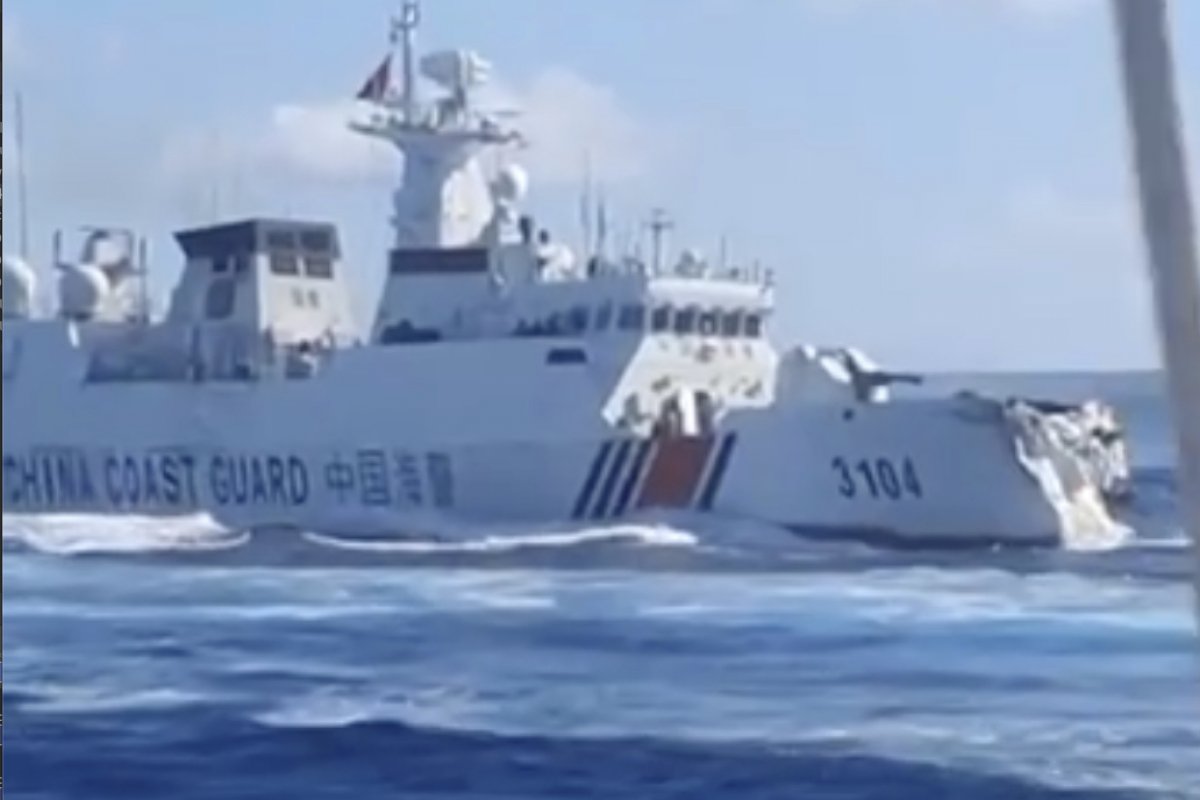
The safety of military ships plays a critical role in the operational readiness of naval forces. Recent incidents involving the collision of US Navy ships have raised significant concerns regarding maritime safety and navigation protocols. These events not only impact the vessels directly involved but also affect broader military strategies and international relations.
Recent Incidents
On September 26, 2023, the USS Fitzgerald and the USS Preble collided in the Pacific Ocean during a routine training exercise. Initial reports suggest that visibility was compromised due to adverse weather conditions, leading to the unfortunate mishap. Both ships were able to return to port without significant injuries to personnel, but the incident reignited discussions about the need for stricter adherence to navigational protocols and communication among fleet units.
Another significant collision occurred in August 2023 when the USS Bonhomme Richard struck a supply vessel while manoeuvring off the coast of San Diego. Fortunately, there were no serious injuries, but the incident resulted in extensive damage to the ship, prompting an investigation into the circumstances surrounding the collision.
Impact on Naval Operations
These incidents have sparked a renewed focus on training for US Navy personnel, particularly regarding navigational skills and emergency response protocols. The Navy has initiated a comprehensive review of its training standards to enhance safety measures. Admiral John Brown, Chief of Naval Operations, stated in a recent address that “the safety of our sailors and ships is our top priority, and we will ensure that our training reflects that commitment.”
Conclusion
The collisions involving US Navy ships serve as a stark reminder of the dangers inherent to naval operations and the importance of rigorous training and adherence to safety protocols. As the Navy looks to improve its operational safety measures, it is likely that we will see more stringent guidelines and training initiatives implemented across the fleet. The significance of these developments extends beyond military readiness; they also hold implications for international maritime navigation and cooperation. Moving forward, it is essential for naval forces worldwide to prioritize safety as they navigate increasingly congested and challenging maritime environments.