Introduction
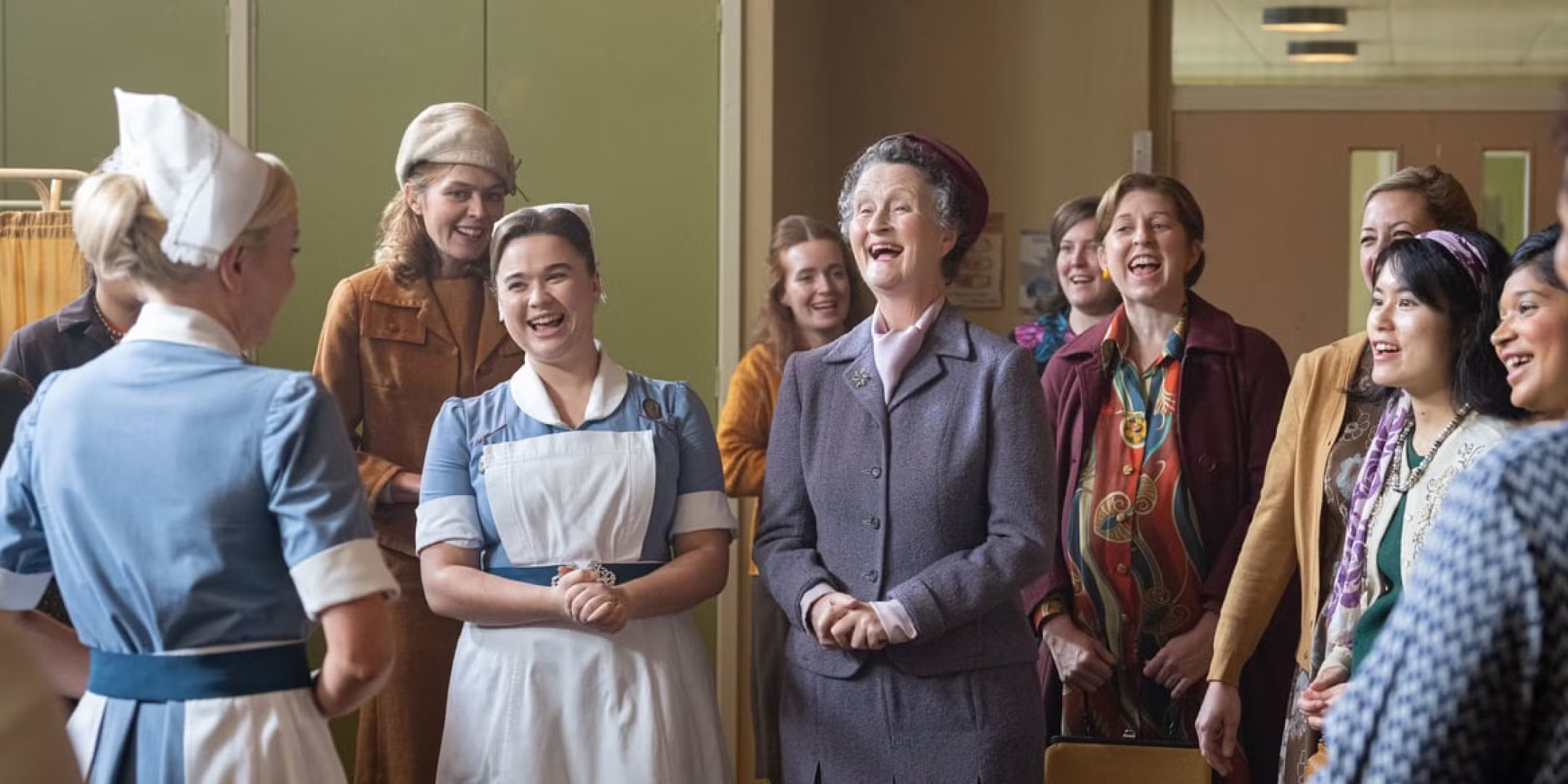
In the realm of British television, few shows resonate as deeply with audiences as Call the Midwife. Set in the 1960s, the series provides a poignant insight into the lives of midwives and the families they serve in London’s East End. Season 15, Episode 4 continues this legacy with compelling narratives that highlight societal issues of the period while engaging viewers with its emotionally charged storytelling.
Plot Recap
In this episode, viewers are taken deeper into the lives of the midwives, focusing on Nonnatus House’s efforts to address the evolving challenges faced by their community. The episode opens with Nurse Trixie preparing for a new arrival while grappling with personal choices regarding her relationship with Tom. Meanwhile, Nurse Lucille steps up to support a young single mother, painting a striking picture of the struggles faced by women in a changing society.
Key Themes
One of the central themes of the episode revolves around the stigma associated with mental health, particularly for women undergoing post-natal depression. The writers handle the subject sensitively, bringing to light the heavy toll it takes on the family unit. Additionally, the episode explores the issue of healthcare accessibility, showcasing the dedication of the midwives who tirelessly work to serve their community despite the limitations of the system.
Character Development
This episode sees significant character development, particularly for Nurse Lucille, who displays remarkable empathy and strength in supporting her patient. The writers craft her storyline to illustrate the important role of midwives in empowering women and fostering resilience. The personal struggles of Trixie hint at larger societal shifts, reflecting the confusion and demands of modern relationships within the historical context.
Conclusion
Season 15, Episode 4 of Call the Midwife exemplifies the show’s ability to interweave personal stories with broader societal issues that remain relevant today. It invites viewers to reflect on topics such as mental health and women’s rights, forging a vital connection between the past and the present. As the series progresses, audiences can anticipate further exploration of these themes, ensuring that Call the Midwife remains a pivotal part of British television culture.