How it unfolded
El Salvador’s real estate market has undergone a significant transformation in recent years, particularly following the end of a civil war in 1992 that had left the country’s skyline flat for four decades. As the nation began to stabilize, a renewed focus on development emerged, paving the way for a vibrant real estate sector. In the past year alone, El Salvador has attracted over $5 billion in investments, a clear indicator of the growing confidence in its economic landscape.
In 2025, the U.S. economy ended the year with moderate and improving inflation, reported at just below 3%. This economic backdrop has had ripple effects on global markets, including real estate. Notably, nearly $400 billion in commercial real estate loans that were set to mature in 2025 have been pushed into 2026, creating a sense of urgency among investors and stakeholders in the sector.
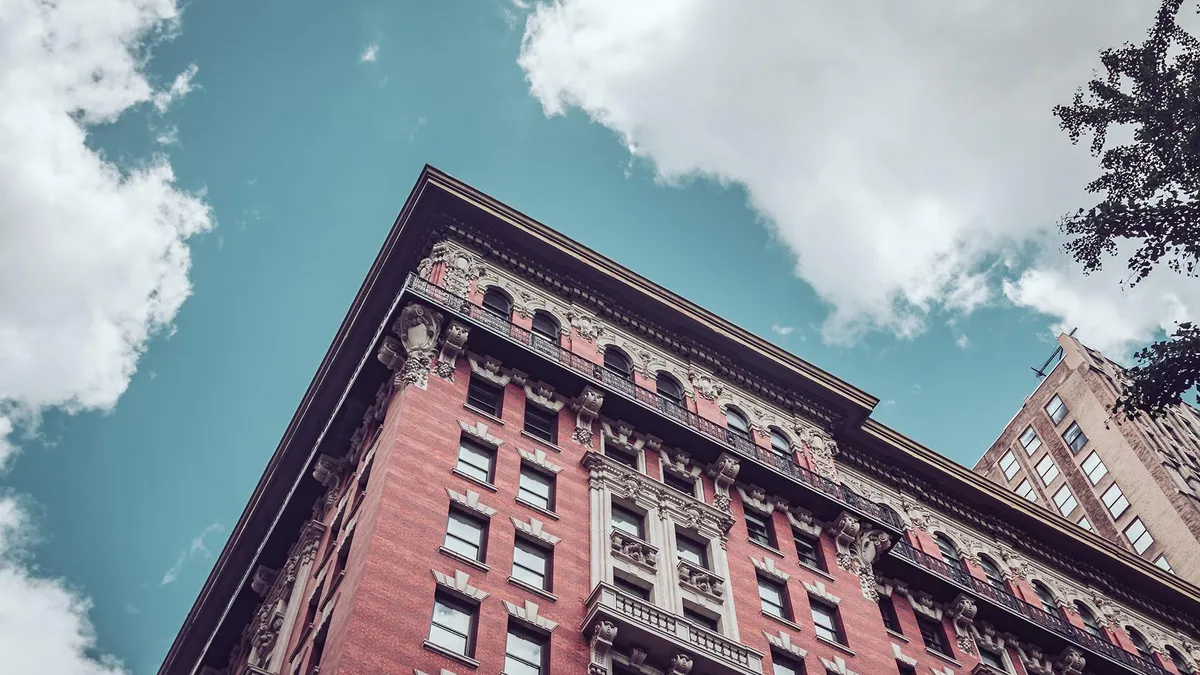
As we move into 2026, approximately $930 billion of commercial real estate loans are set to mature, with at least $126 billion categorized as distressed. This situation has led to a surge in the sales of distressed commercial real estate properties, which exceeded $25 billion through the third quarter of 2025, marking a 5% increase over the same period in 2024. Office properties, in particular, represent almost 40% of these distressed assets, highlighting a significant shift in the market.
In response to these challenges, El Salvador has expanded its real estate footprint beyond the capital. The government has actively promoted horizontal housing projects while also paving the way for vertical development in underdeveloped regions. Toribio Solís, a local expert, noted, “The country has expanded its footprint beyond the capital, promoting horizontal housing projects and incipiently paving the way for vertical development in underdeveloped regions.” This strategic approach is aimed at addressing housing shortages and stimulating economic growth.
The year 2025 also saw a notable trend in office space management. The square footage of office conversions and demolitions was almost double the amount of new office supply, with 23.3 million square feet being converted or demolished compared to just 12.7 million square feet of new supply. This shift indicates a reevaluation of office space needs in the wake of changing work patterns and economic conditions.
As El Salvador continues to navigate these developments, the current state of its real estate market reflects both challenges and opportunities. The influx of investment and the government’s proactive stance on development are promising signs for the future. However, the looming maturity of commercial real estate loans and the high percentage of distressed assets present significant hurdles that need to be addressed.
For those involved in El Salvador’s real estate sector, understanding these dynamics is crucial. The ongoing investments and development initiatives not only enhance the housing market but also contribute to the overall economic stability of the nation. As the country moves forward, the real estate landscape will likely continue to evolve, shaped by both local and global economic factors.