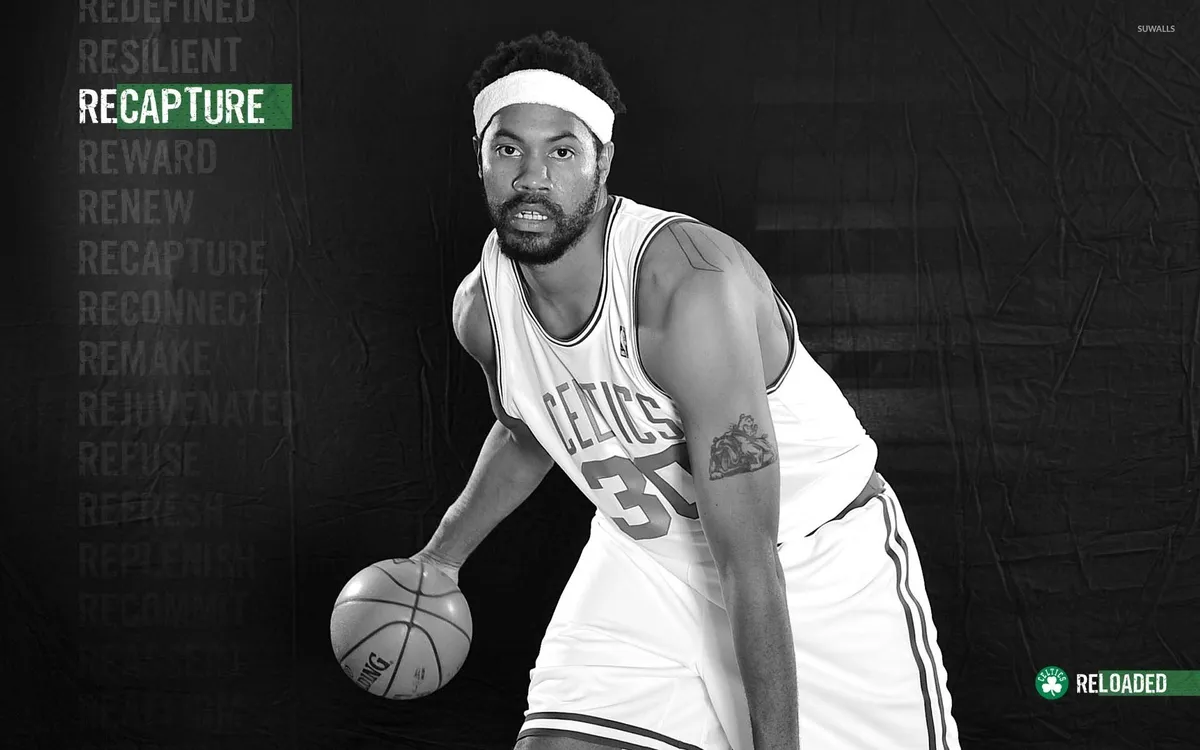
In the early 2000s, the Portland Trail Blazers were a team filled with promise and talent, boasting stars like Rasheed Wallace, Damon Stoudamire, and Bonzi Wells. Fans had high expectations as they watched this group of players, often referred to as the “Jail Blazers,” navigate their way through the NBA. However, the narrative surrounding the team was marred by controversy and off-court issues, overshadowing their on-court achievements.
Fast forward to April 14, 2026, when Rasheed Wallace took a significant step in reshaping the conversation around his former team. In the Netflix documentary “Untold,” directed by Sascha Gardner, Wallace and his teammates reflect on their experiences during that tumultuous era. The documentary dives deep into the culture, race, and media narratives that defined the Jail Blazers, providing a nuanced perspective that had long been missing from the public discourse.
Wallace’s candid remarks in the documentary reveal the emotional weight of his time in Portland. He recalls, “When I went back to Portland after I was traded, I knew I was gonna get booed. I ain’t think I was gonna get booed like that.” This statement encapsulates the complicated relationship he had with the city and its fans, a relationship that was both passionate and fraught with tension.
The documentary also highlights the stark contrast between the expectations placed on the team and the reality they faced. As one commentator noted, “They were built to win a title. Instead, they became the most volatile team the NBA had ever seen.” This volatility stemmed from a combination of personal struggles and the intense scrutiny from the media, which often painted the players in a negative light.
As the documentary unfolds, it becomes clear that the impact of the Jail Blazers extended beyond the basketball court. Wallace’s upbringing in Germantown, Philadelphia, shaped his resilience and determination. Growing up in a single-mother household and facing significant loss, he channeled his pain into his performance, becoming a five-time NBA All-Star and a beloved figure in Portland.
Despite the controversies, Wallace’s legacy is one of triumph and perseverance. He played for the Trail Blazers for ten seasons, earning an estimated net worth of $100 million and securing an NBA championship with the Detroit Pistons. His highest salary in a single season reached $17 million, reflecting his status as one of the league’s premier players. Yet, the documentary reminds viewers that these achievements came amidst a backdrop of challenges and public scrutiny.
Experts and fans alike have praised the documentary for its ability to provide a more balanced view of the Jail Blazers. One observer noted, “The documentary doesn’t erase controversy or excuse poor behavior, but it provides nuance missing from the ‘Jail Blazers’ brand narrative that persisted for decades.” This shift in perspective is crucial for understanding the complexities of the players’ experiences and the societal issues they faced.
As Rasheed Wallace continues to reflect on his journey, the documentary serves as a reminder of the importance of context in sports narratives. The story of the Portland Trail Blazers is not just about basketball; it is about the lives of the individuals who played the game and the challenges they overcame. With this new lens, fans can appreciate the legacy of the Jail Blazers in a more profound and meaningful way.