Who is involved
Before the trade, Rafael Devers was a cornerstone player for the Boston Red Sox, known for his powerful bat and impressive stats. However, the team’s request for him to switch positions after Triston Casas’ injury created tension. Devers had expressed his reluctance to play anywhere other than designated hitter, which led to uncertainty about his future with the team.
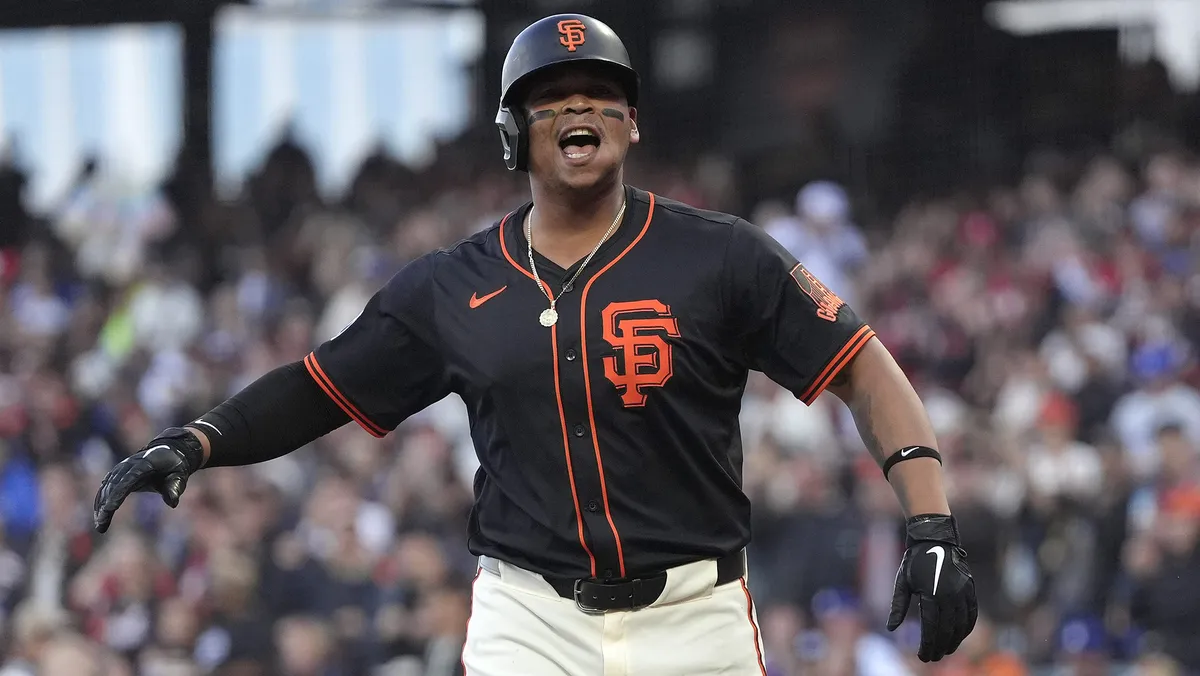
In June 2025, everything changed when Devers was traded to the San Francisco Giants. This decisive moment marked a new beginning for him, as he prepared to start the 2026 season as the Giants’ first baseman. The move was not just a change of scenery; it was a chance for Devers to redefine his role on the field and contribute to a team that had struggled in the previous season.
Last season, Devers showcased his talent with a .252 batting average, a .372 on-base percentage, and a .479 slugging percentage. He scored 99 runs and hit 35 home runs, driving in 109 runs, which ranked him 9th in MLB. His performance was a testament to his skills, despite the challenges he faced with the Red Sox. With a 26.3% strikeout rate and a 15.4% walk rate, Devers demonstrated the potential for growth in his new environment.
The immediate effects of the trade have been significant for both Devers and the Giants. For Devers, the opportunity to play first base allows him to focus on his strengths without the pressure of switching positions. As he stated, “I know I’m a ballplayer, but at the same time, they can’t expect me to play every single position out there.” This clarity in his role is expected to enhance his performance and confidence on the field.
For the Giants, acquiring Devers has been viewed as a strategic move. Mike Axisa noted that if fans had stopped paying attention to the Giants, they might have missed Devers starting 29 of the team’s final 61 games at first base. His presence is anticipated to bring stability and power to the lineup, which is crucial for the team’s aspirations in the upcoming season.
Experts have weighed in on the implications of this trade. Many believe that Devers could be a Gold Glove finalist in 2026, as he adapts to his new position. The Red Sox’s decision to trade him has sparked discussions about their roster management, with some analysts suggesting that while they were correct in assessing that Devers isn’t a third baseman, the trade was still a beneficial move for the Giants.
As the 2026 season approaches, the baseball community is eager to see how Rafael Devers will thrive in San Francisco. The shift from the Red Sox to the Giants represents not just a change in teams, but a fresh start for a player who has the potential to make a significant impact in the league. Details remain unconfirmed about how this transition will unfold, but the excitement surrounding Devers’ new chapter is palpable.