Introduction
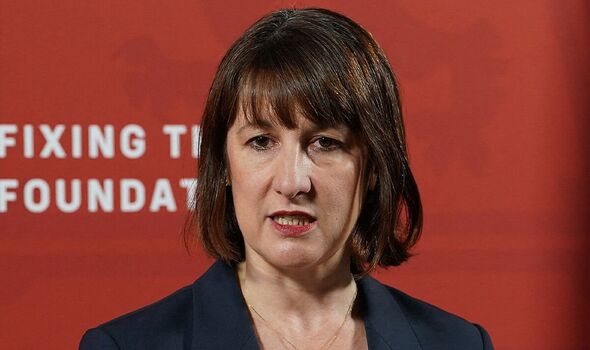
The debate around capital gains tax (CGT) has intensified as Labour’s Shadow Chancellor, Rachel Reeves, proposes significant reforms aimed at addressing economic disparities and increasing tax fairness in the UK. This topic is of paramount relevance as it has significant implications for investors, property owners, and the overall economy, especially in the context of rising living costs and financial inequalities.
The Proposal
In a recent statement, Rachel Reeves outlined her vision for reforming capital gains tax, which has been a contentious issue in UK politics for several years. Currently, capital gains tax is charged on the profit made from selling an asset, such as property or stocks, and is set at 10% for basic-rate taxpayers and 20% for higher-rate taxpayers. Many have argued that this system disproportionately benefits wealthier individuals and investors, who can effectively manage their tax affairs to minimise their liabilities.
Reeves suggests increasing the rates of CGT in alignment with income tax brackets, meaning higher earners could pay up to 40% or even higher on capital gains, significantly raising revenue for the government. This move is seen as an attempt to address wealth inequality and ensure that those who benefit the most from capital gains contribute fairly to the nation’s finances.
Reactions from Various Sectors
The proposal has drawn mixed reactions from different sectors. While tax reform advocates view it as a necessary step towards equity, critics – including some in the business community – warn that such increases could deter investment, stifle entrepreneurship, and generate an unwelcoming environment for wealth creators. The Institute for Fiscal Studies has also cautioned about the potential economic impacts, suggesting that while increasing CGT could raise funds, it could also lead to unintended consequences like asset disinvestment.
Significance and Future Outlook
The discussions led by Rachel Reeves regarding capital gains tax are likely to shape the economic landscape in the UK if Labour wins the next general election. Observers note that her proposals could galvanise support among those feeling the pinch of economic inequalities exacerbated by rising prices across various sectors.
In conclusion, the potential reforms to capital gains tax underscore the broader shift in political discussions concerning tax equity and economic fairness. As the political landscape evolves, it will be crucial for stakeholders to monitor these developments closely to understand the implications for investment and personal finance in the UK.



