Introduction
In recent discussions surrounding financial policies, the topic of tax reforms for pensioners has garnered significant attention. Shadow Chancellor Rachel Reeves has been vocal about her proposals aimed at alleviating the financial pressure on retirees in the United Kingdom. With an aging population and increasing living costs, public interest in the implications of tax changes for pensioners has never been more relevant.
Main Body: Recent Developments
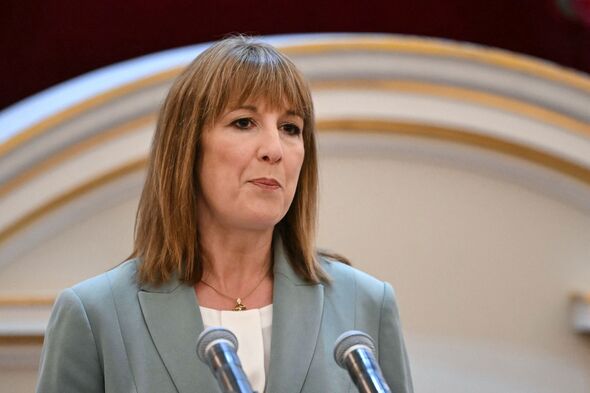
This week, Rachel Reeves outlined a series of reforms aimed at providing relief to pensioners, especially those living on fixed incomes. In a speech delivered at a rally in Birmingham, she proposed the abolishment of certain tax burdens that disproportionately affect elderly citizens. Reeves insists that the current tax system often fails to account for the unique financial challenges faced by retirees.
According to figures from the Office for National Statistics (ONS), approximately 40% of pensioners in the UK live on less than £20,000 a year. This economic reality has prompted Reeves and the Labour Party to consider reforms that would simplify the tax code for older citizens, potentially allowing retirees to keep more of their hard-earned savings.
During her speech, Reeves highlighted the significant increases in inflation and how they have eroded the purchasing power of pensioners. She stated, “Every penny counts when you are living on a pension. We owe it to our elderly population to provide a tax structure that truly supports them rather than hinders their economic well-being.” As part of her proposal, Reeves suggested raising the tax threshold for pensioners and advising against taxing winter fuel payments, which is of vital importance during colder months.
Public and Political Reaction
The response to Reeves’ proposals has been mixed, with some opposition party members arguing that her plans could lead to reduced revenue for public services. Proponents, however, believe that fostering greater financial stability for pensioners should be a priority, especially given the ongoing cost-of-living crisis.
Charities that focus on elderly care and support have largely welcomed Reeves’ proposals, reiterating the importance of financial security for the elderly population. Many have urged the government to consider long-term solutions that can address these systemic issues.
Conclusion
Rachel Reeves’ proposals regarding pensioners’ tax reforms represent a crucial discussion point in the ongoing debate over financial policies impacting older adults in the UK. As the population ages and economic pressures mount, it is essential for policymakers to consider the particular needs of retirees in their tax structures. Looking ahead, these discussions may lay the groundwork for changes that could significantly impact the financial well-being of millions of pensioners across the country. Stakeholders and citizens alike will be closely monitoring how the Labour Party’s proposals evolve and their potential implications on future tax legislation.