Introduction
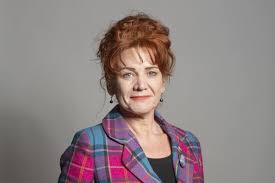
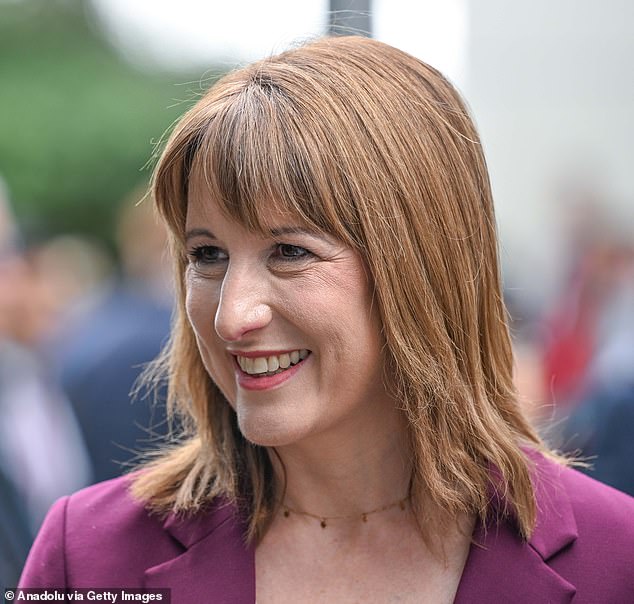
Rachel Reeves, the current Shadow Chancellor of the Exchequer for the UK Labour Party, has emerged as a pivotal figure in British politics. Her economic policies and leadership have garnered significant attention amid the UK’s recovery from the COVID-19 pandemic and the ongoing inflation crisis. Understanding Reeves’ strategies and viewpoints is crucial for analysing the Labour Party’s direction and potential influence on the country’s economic landscape.
Political Background
Rachel Reeves was born on February 18, 1979, in Lewisham, London. She attended the prestigious Oxford University, where she studied Economics and Politics. Before venturing into politics, Reeves worked as an economist at the Bank of England and later at the London School of Economics. She was elected as the Member of Parliament (MP) for Leeds West in 2010, quickly rising through the ranks due to her prowess in economic matters.
As Shadow Chancellor
Since being appointed Shadow Chancellor in 2020, Reeves has focused on addressing critical economic challenges that the UK faces, particularly following Brexit and the pandemic. Her commitment to creating a fairer and more sustainable economy has been a cornerstone of her messaging. For instance, she has advocated for increased investment in green technologies and a reimagining of taxes to ensure that wealthier individuals and corporations contribute their fair share.
Recent Developments
In recent months, Rachel Reeves has launched several initiatives aimed at tackling the cost-of-living crisis, which has affected households across the UK. She has urged the government to implement measures that protect the most vulnerable in society while promoting economic stability. Her insightful critiques of the current Conservative government’s economic policies have resonated with many voters, and recent polls suggest that Labour under her guidance is regaining support.
Conclusion
As Rachel Reeves continues to carve out her place in UK politics, her role as Shadow Chancellor is pivotal in shaping the public’s perception of the Labour Party’s economic agenda. Her emphasis on sustainability, fairness, and resilience speaks to a broader vision that aims to not only address immediate economic challenges but also to lay the foundations for a prosperous future. As the next general election approaches, her strategies and policies will significantly influence the discourse surrounding economic recovery and social equity in the UK.