Introduction
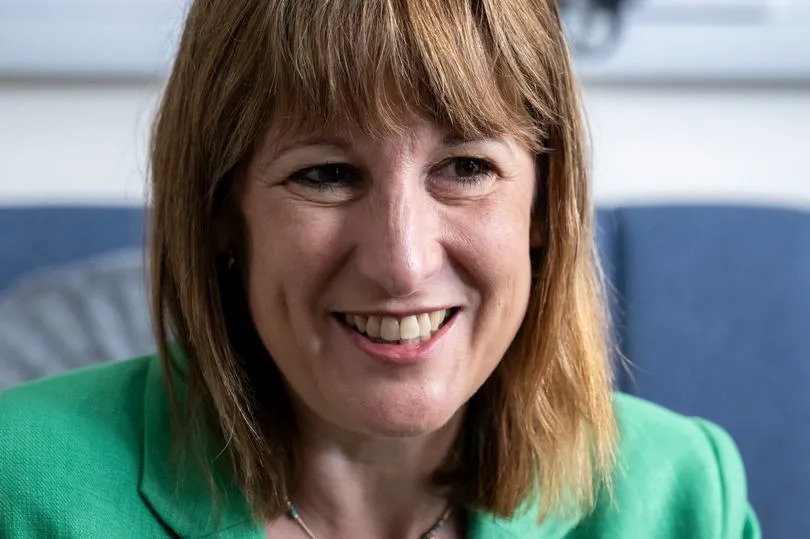
Rachel Reeves, the Shadow Chancellor of the Exchequer and a prominent figure in the UK Labour Party, has become a significant player in British politics in recent years. As the economy grapples with post-pandemic recovery and cost-of-living challenges, Reeves’ policies and leadership are becoming increasingly critical in shaping the future economic landscape of the UK.
Career and Political Background
Born on February 10, 1979, in Lewisham, London, Rachel Reeves studied at the University of Oxford and went on to receive a master’s degree from the London School of Economics. She was first elected as the MP for Leeds West in 2010, where she quickly made a name for herself with her focus on economic issues and public finance. Over the years, she has held various shadow cabinet positions, but her elevation to Shadow Chancellor in 2020 marked a pivotal point in her career.
Recent Developments and Policies
Under her leadership, Labour has shifted its economic strategy, focusing on fiscal responsibility alongside social investment. Recently, Reeves has called for urgent measures to tackle inflation and alleviate the pressures on households, including introducing company taxes and supporting energy efficiency initiatives. She has also been vocal about the necessity of providing support to vulnerable sectors hit hardest by economic uncertainty.
Reeves has gained attention for her critique of the current government’s economic approach, particularly in the areas of public spending and tax policies. Notably, she has challenged the Conservative government on its handling of the NHS funding, education financing, and the ongoing housing crisis. Her vision for economic reform includes pledges for increased public investment, job creation, and sustainable growth.
Impact and Future Prospects
The significance of Rachel Reeves in contemporary politics cannot be understated. As her party aims to regain power in the upcoming elections, her role will be crucial in communicating Labour’s economic vision to the electorate. Observers are keeping a close eye on her ability to translate policy proposals into relatable messages that resonate with everyday citizens.
As the UK continues to navigate its socio-economic challenges, Rachel Reeves stands as a figure who embodies the potential for a progressive agenda. Her leadership not only highlights the importance of strategic economic thinking but also showcases the role of women in political leadership. With the next General Election on the horizon, Reeves’ influence will likely shape the national debate on the economy and social welfare.
Conclusion
In conclusion, Rachel Reeves is poised to play a pivotal role in the future of UK politics, particularly as the country faces monumental economic challenges. Her policies aim to create a more equitable economy while addressing the pressing needs of the population. As the political landscape evolves, Reeves’ contributions will be instrumental in defining Labour’s response to contemporary issues, making her a key figure to watch in the coming months.