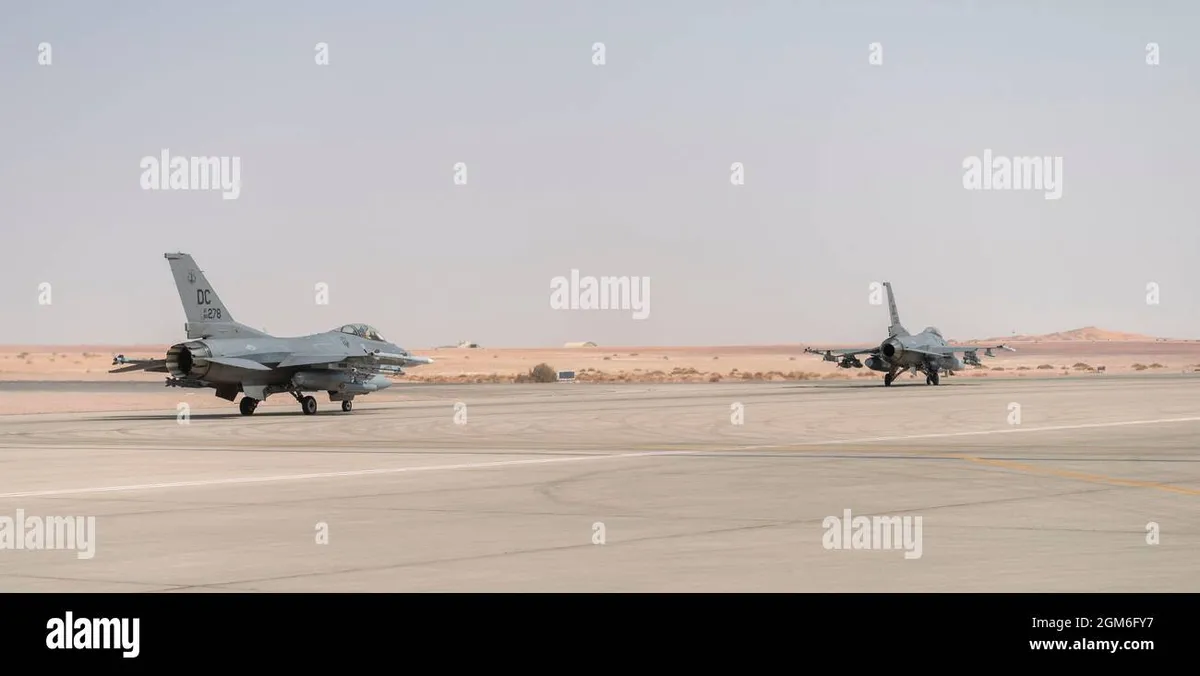
Before the recent Iranian attack on Prince Sultan Air Base, expectations were cautiously optimistic regarding the stability of U.S. military operations in the Middle East. The base, a crucial hub for American forces, had been seen as a stronghold supporting operations against Iran, with a focus on maintaining regional security.
However, on March 27, 2026, a decisive moment unfolded when an Iranian missile struck the base, injuring multiple American service members. Initial reports indicate that around 10 service members were wounded, with two in serious condition. This attack, which also involved the use of drones, marked a significant escalation in hostilities.
The immediate effects of the attack were profound. In addition to the injuries sustained by service members, several U.S. refueling aircraft and an E-3 Sentry AWACS command and control plane were damaged. This incident adds to the ongoing toll of Operation Epic Fury, which has seen over 300 service members wounded and 13 killed since its inception.
Experts have weighed in on the implications of this attack. Adm. Brad Cooper noted, “We have damaged or destroyed over two-thirds of Iran’s missile, drone, and naval production facilities and shipyards,” highlighting the ongoing military efforts against Iranian capabilities. Yet, the attack on Prince Sultan Air Base underscores the persistent risks faced by U.S. forces in the region.
In a broader context, the attack raises questions about the future of U.S.-Saudi relations and regional alliances. Former President Donald Trump suggested that it might be time for Saudi Arabia and Israel to normalize ties following the war in Iran, indicating a potential shift in diplomatic dynamics.
On the same day as the attack, the Saudi Defense Ministry reported intercepting a ballistic missile targeting Riyadh, further illustrating the heightened tensions in the area. The Defense Ministry also stated that the sounds heard during the incident were due to Air Defense Systems engaging missiles, as fighters intercepted cruise missiles and UAVs.
As the community processes the impact of this attack, the uncertainty surrounding the exact number of service members wounded and the severity of their injuries remains a concern. Details remain unconfirmed, leaving families and friends anxious for updates.
The resilience of the service members and their families is commendable, as they continue to support one another during these challenging times. The community stands united in its commitment to those who serve, reflecting the shared values of courage and sacrifice.
As the situation evolves, it is crucial for all parties involved to prioritize dialogue and seek pathways to peace, ensuring that the sacrifices made by service members are honored and that their safety is paramount.