Introduction
Polestar, the premium electric performance car manufacturer, is rapidly making a name for itself in the automotive industry. A subsidiary of Volvo and Geely, Polestar signifies a shift towards sustainable mobility, blending high-performance electric vehicles (EVs) with cutting-edge technology. With the growing emphasis on reducing carbon emissions, understanding Polestar’s role in this transition is crucial for consumers, environmentalists, and industry stakeholders alike.
The Rise of Polestar
Founded in 2017, Polestar has quickly evolved from a performance tuning company into a respected EV manufacturer with a clear vision: to create electric vehicles that are not only environmentally friendly but also deliver an exhilarating driving experience. The brand’s first production car, the Polestar 1, debuted in 2019, offering a hybrid solution with an impressive electric range, strategically targeting environmentally conscious consumers who still desire high performance.
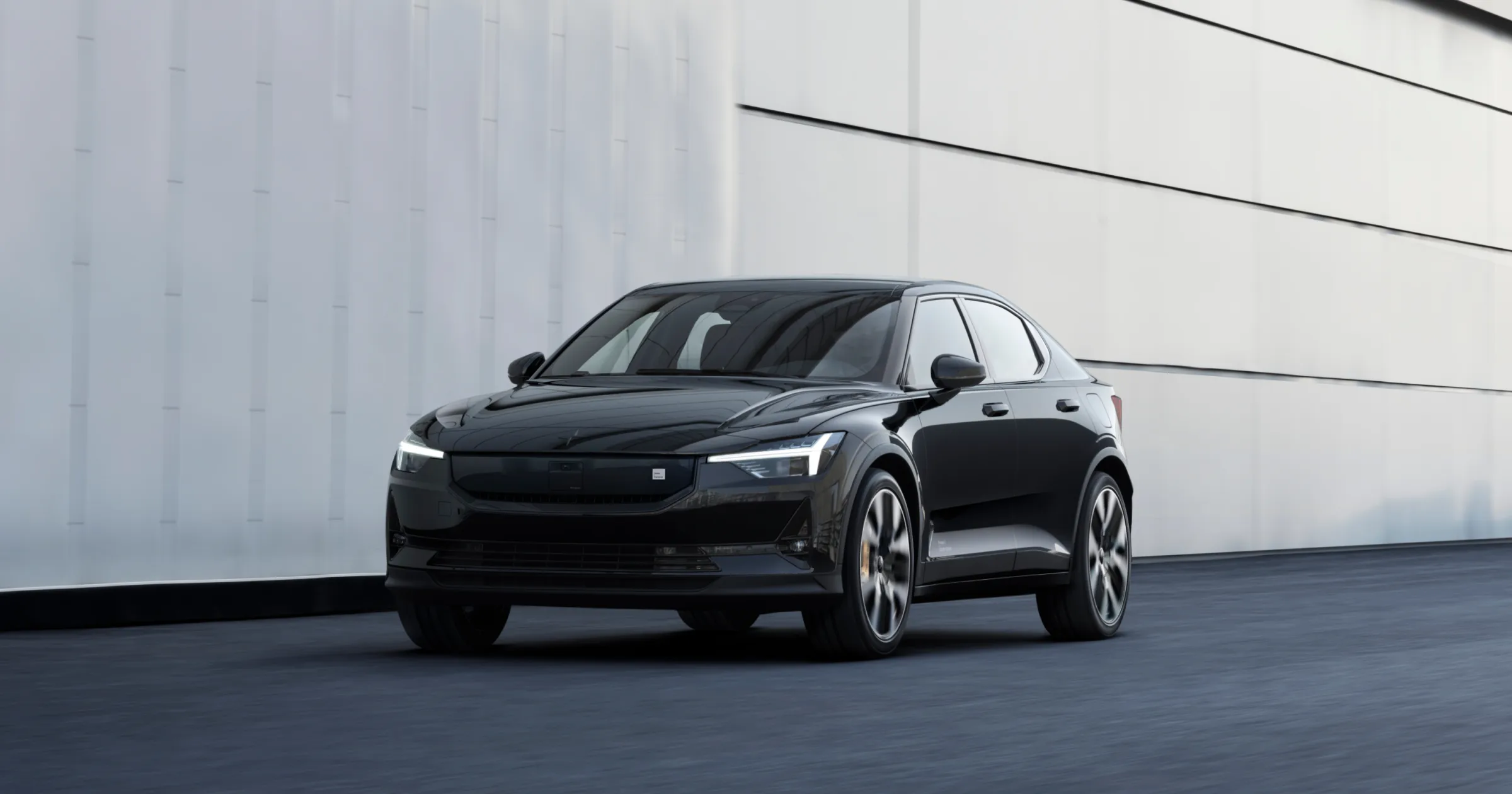
Building on the success of its debut, Polestar unveiled the Polestar 2 in 2020, a fully electric vehicle that aims directly at the Tesla Model 3. With its spacious interior, advanced technology, and competitive pricing starting at £38,000, the Polestar 2 has garnered significant attention and praise from both critics and consumers. According to recent reports, Polestar’s sales increased by 125% in 2022 compared to the previous year, highlighting the growing demand for their vehicles.
Commitment to Sustainability
Polestar is not just about creating electric cars; it is committed to sustainability across its entire production process. The company plans to be climate neutral by 2030, focusing on reducing emissions during manufacturing and transport. Their innovative approach includes using recycled materials in their cars and aiming to source energy from renewable sources. For instance, Polestar’s manufacturing facility in Chengdu, China, is designed to minimise environmental impact, utilising energy-efficient technologies.
Looking Ahead
As the automotive industry increasingly pivots towards electrification, Polestar is well-positioned to remain at the forefront of this movement. The upcoming launch of the Polestar 3, an electric SUV, is anticipated to broaden the company’s market reach and appeal to a wider audience. Industry experts predict that as Polestar continues to innovate and expand its product lineup, it could rival established players in the EV market and significantly influence the future of sustainable transportation.
Conclusion
In conclusion, Polestar represents a significant shift in the automotive landscape by merging sustainability with performance. As interest in electric vehicles grows and the urgency for climate action intensifies, Polestar’s dedication to creating green vehicles without compromising on performance will likely attract a diverse range of consumers. As they unveil new models and advancements in technology, Polestar’s influence on the automotive industry will continue to expand, driving the push for a cleaner, more sustainable future.