Introduction
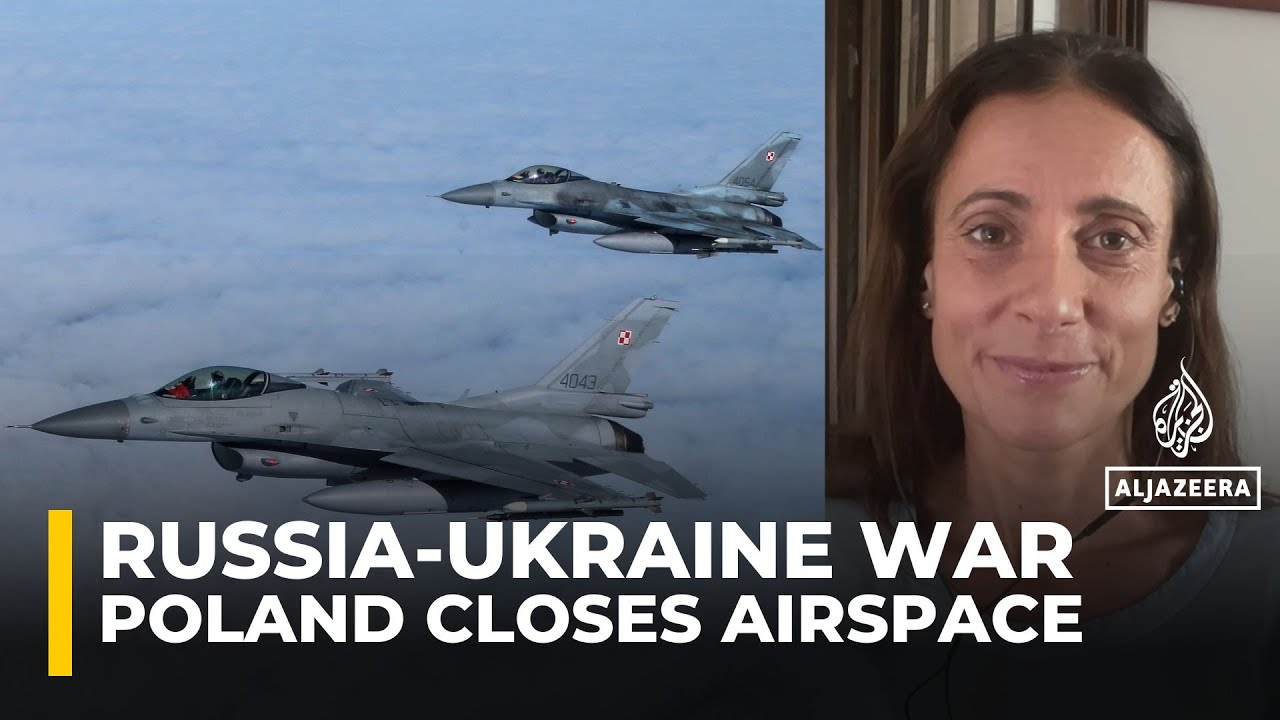
Poland has recently made the significant decision to close parts of its airspace, raising concerns amid escalating tensions within the region. This decision reflects the ongoing geopolitical climate in Eastern Europe, primarily influenced by the conflict involving Russia and Ukraine. The implications of this action extend beyond national security, affecting air travel and commerce throughout the continent.
Context of Airspace Closure
The announcement came on the 10th of October 2023, amid heightened military activities and increasing reports of heightened risks in air travel due to potential threats. The Polish government cited the need to safeguard its citizens and maintain a secure airspace as the key reasons for the action, reminiscent of similar closures seen in 2022 during the initial onset of the conflict in Ukraine. With intelligence reports suggesting a potential increase in military operations nearby, Poland’s proactive measure aims to prevent any potential aerial infiltration or aviation disasters.
Impact on Air Travel
The airspace closure has led to significant disruptions for numerous airlines operating in and out of Poland. According to data from Eurocontrol, flight delays have increased by an average of 25% in the region, with many flights being rerouted or cancelled altogether. Major airlines, including LOT Polish Airlines and international carriers, are adapting to the new regulations, working to assist passengers while navigating these unexpected changes. Airports are reporting longer waiting times, and travellers are advised to check regularly for updates regarding their flights.
International Reactions
The closure of Polish airspace has garnered a mixed response from neighbouring countries. While some nations have expressed understanding of Poland’s security concerns, others are worried about potential economic repercussions and disruptions in trade. The European Union has been monitoring the situation closely, advocating for dialogue to de-escalate tensions. In a statement, the EU reiterated the importance of stability and safety in the region for the well-being of its member countries.
Conclusion
As Poland continues to grapple with external threats and regional instability, the decision to close its airspace highlights the evolving nature of security in Europe. It serves as a reminder of the intricate balance between national security and civilian life, particularly as air travel becomes increasingly unpredictable in light of international conflicts. Travellers should stay informed on the situation, with an eye on both their personal travel plans and the broader implications of such geopolitical developments. As the region looks ahead, forecasts suggest that airspace restrictions may continue as long as tensions remain elevated, underscoring the need for collaborative resolution efforts.



