Introduction
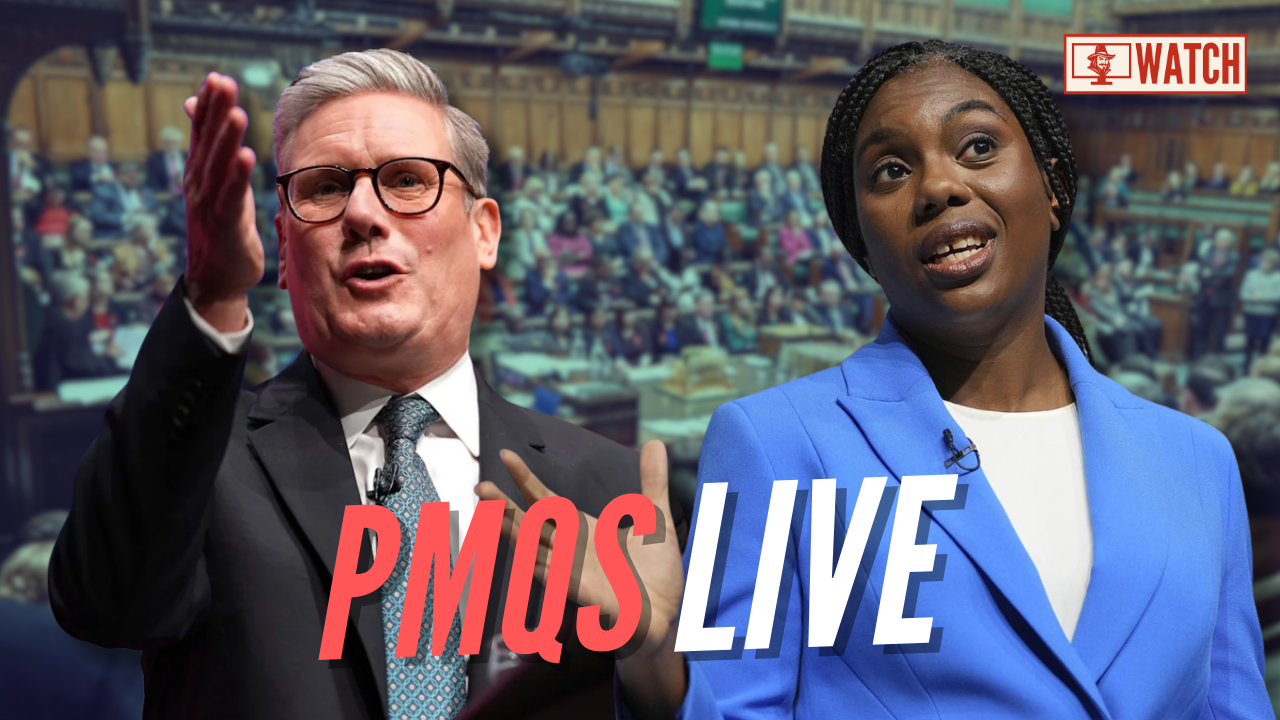
The Prime Minister’s Questions (PMQs) sessions held every Wednesday are a crucial aspect of UK politics. They provide a vital platform for Members of Parliament to question the Prime Minister, discuss pressing issues, and hold the government accountable. Today’s PMQs session was particularly important as it highlighted significant political developments and public concerns ahead of upcoming legislative sessions.
Main Highlights from Today’s Session
During today’s PMQs, Prime Minister Rishi Sunak faced a range of questions pertaining to the ongoing cost-of-living crisis, the NHS backlogs, and international relations, particularly regarding the situation in Ukraine. Leader of the Opposition, Keir Starmer, began with a question on the government’s handling of inflation rates, which continue to impact households across the UK.
Sunak responded by highlighting his administration’s efforts to address inflation through fiscal measures and strategic partnerships. He pointed out that inflation rates have started to decrease, indicating positive signs in economic recovery. However, Starmer countered by stating that many families are still struggling and that the government’s responses haven’t been sufficient.
Another significant moment in today’s session came when questions were raised about the NHS. PM Sunak emphasized the government’s commitment to reducing waiting lists and improving healthcare services. Questions from various MPs showcased the growing concern over healthcare access, reflecting rising public pressure to reform NHS funding and management.
Reactions and Conclusions
Overall, today’s PMQs showcased the ongoing tensions between the government and opposition regarding the cost-of-living crisis and healthcare issues. Political analysts noted that while the Prime Minister aimed to reassure the public about his government’s strategies, opposition leaders effectively highlighted the challenges many citizens are facing.
As the next general election approaches, the significance of these discussions becomes increasingly pertinent. Observers suggest that how the government addresses these concerns in Parliament, and in practical terms, will likely influence voter sentiments in the coming years.
In conclusion, the PMQs today provided a snapshot into the pressing issues facing the UK and demonstrated the necessity of accountability in government. As both the Prime Minister and opposition leaders continue to navigate these challenging conversations, the public will be keenly observing the outcomes and proposed policies that arise from these pivotal parliamentary discussions.