Introduction
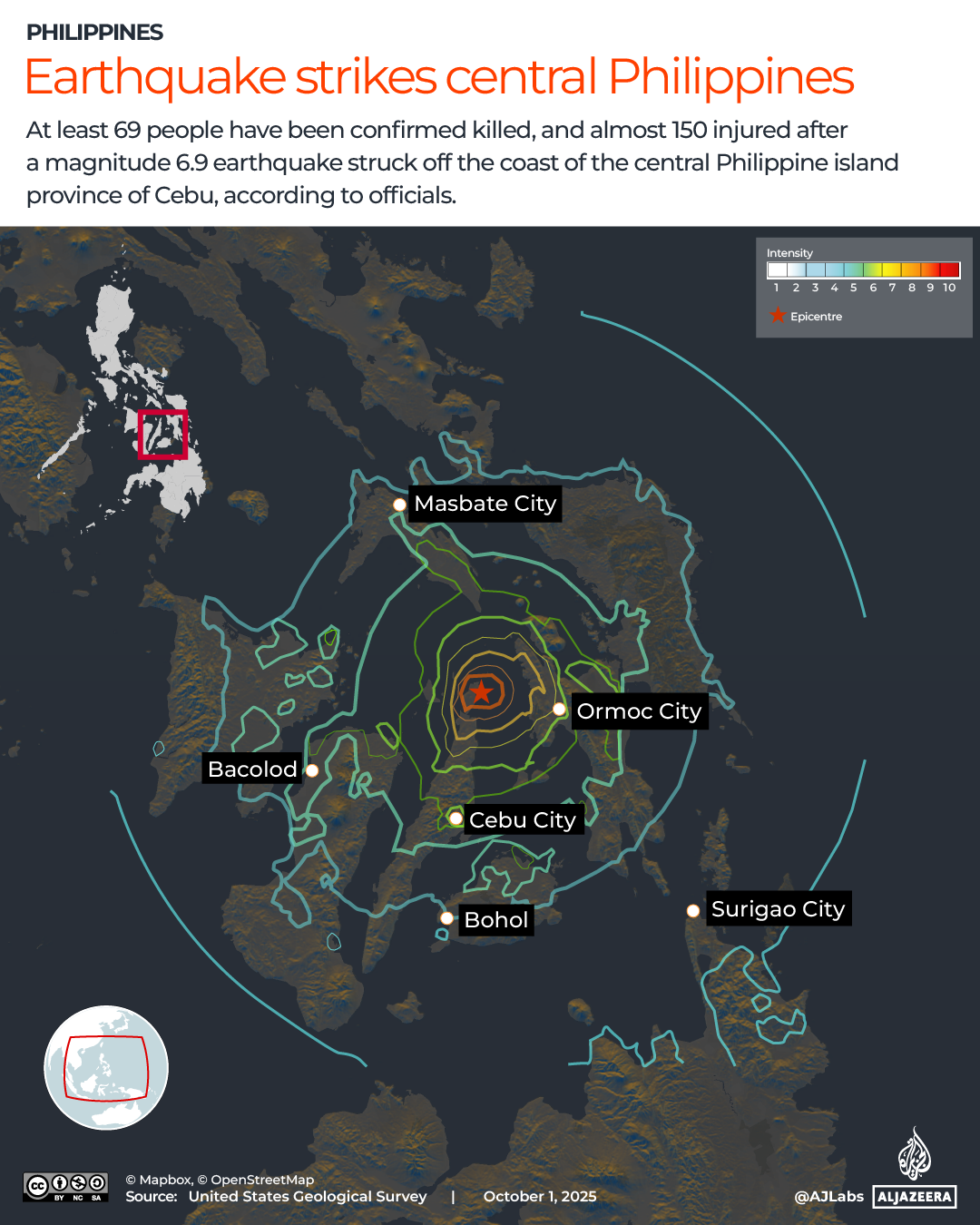
Today, the Philippines faced a significant seismic event, impacting various regions and raising concerns about safety and infrastructure. Earthquakes are a common occurrence in this archipelago, situated along the Pacific Ring of Fire, known for its tectonic activity. It is crucial for residents and authorities to stay updated on this developing situation to ensure maximum safety.
Details of the Earthquake
On [insert date], a magnitude [insert magnitude] earthquake struck [insert location] at [insert time]. The Philippine Institute of Volcanology and Seismology (PHIVOLCS) reported that the tremor was felt across multiple provinces, particularly affecting [insert specific areas impacted]. Initial assessments suggest that the earthquake caused [mention any reported damages or injuries]. Emergency crews have been dispatched to assess the situation further.
Relief Efforts and Safety Precautions
The local authorities and disaster response teams are actively engaged in search and rescue operations, focusing on areas where buildings and infrastructures have been reported damaged. The government has issued safety guidelines urging residents to stay vigilant and to be prepared for aftershocks. Evacuation centres have been established for those displaced by the quake, and relief supplies are being mobilised.
Conclusion
The recent earthquake in the Philippines serves as a stark reminder of the country’s vulnerability to natural disasters. As recovery efforts continue, residents are urged to remain cautious and to adhere to safety protocols. This incident is expected to prompt discussions about improving earthquake preparedness and infrastructure safety in the region. Moving forward, authorities will likely enhance public education on seismic risks, which could play a vital role in mitigating the impacts of future earthquakes.