Introduction
In recent weeks, the Philippines has experienced significant seismic activity, raising concerns about the potential for tsunamis following earthquakes. The Philippines, situated in the Pacific Ring of Fire, is no stranger to earthquakes and natural disasters. This situation not only affects local communities but also poses risks to infrastructure and safety. Understanding the implications of such events is crucial for preparedness and response.
Recent Earthquake Events
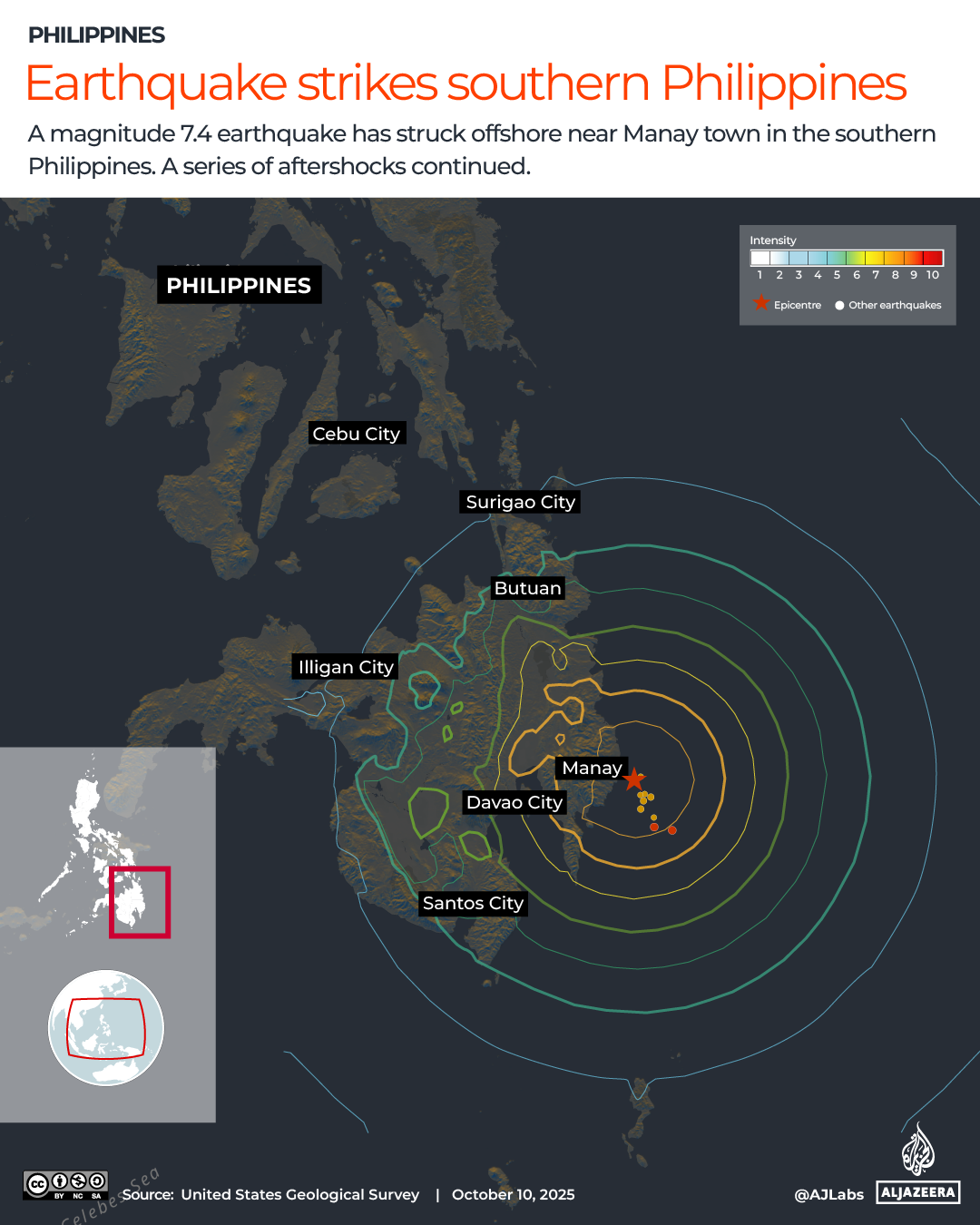
On October 15, 2023, a powerful earthquake measuring 7.2 on the Richter scale struck Mindanao, one of the largest islands in the Philippines. The quake’s epicenter was located 15 kilometers offshore, prompting immediate alert for tsunami warnings. Thousands of residents evacuated coastal areas as a precaution. Fortunately, the tsunami warning was later rescinded after it was confirmed that waves were under one meter high. Nevertheless, the quake caused significant damage to buildings and infrastructure in the surrounding regions, leading to injuries and several casualties.
Tsunami Warnings and Preparedness
The National Disaster Risk Reduction and Management Council (NDRRMC) activated emergency protocols. Tsunami sirens were installed along coastal areas, and emergency responders swiftly conducted reconnaissance missions to assess damage and assist affected communities. According to NDRRMC, approximately 5,000 individuals were evacuated from vulnerable coastal zones. Public awareness campaigns have also intensified, informing citizens about safety measures during earthquakes and potential tsunami threats.
Relief and Recovery Efforts
Relief has begun to mobilise for affected regions, with the Philippine Red Cross coordinating efforts to provide immediate support, including food, medical assistance, and shelter. Local governments have established evacuation centres for displaced families. The international community has also offered assistance, with several countries extending aid to support recovery efforts. Plans are being developed to rebuild and strengthen infrastructure to better withstand future seismic events and mitigate damage caused by tsunamis.
Conclusion
The recent earthquake and tsunami events underscore the Philippines’ vulnerability to natural disasters. As the nation works towards recovery, these events highlight the importance of disaster preparedness and community resilience. With continued efforts in community education and international cooperation, the government aims to improve response strategies and enhance overall safety for citizens living in seismically active regions.