Introduction
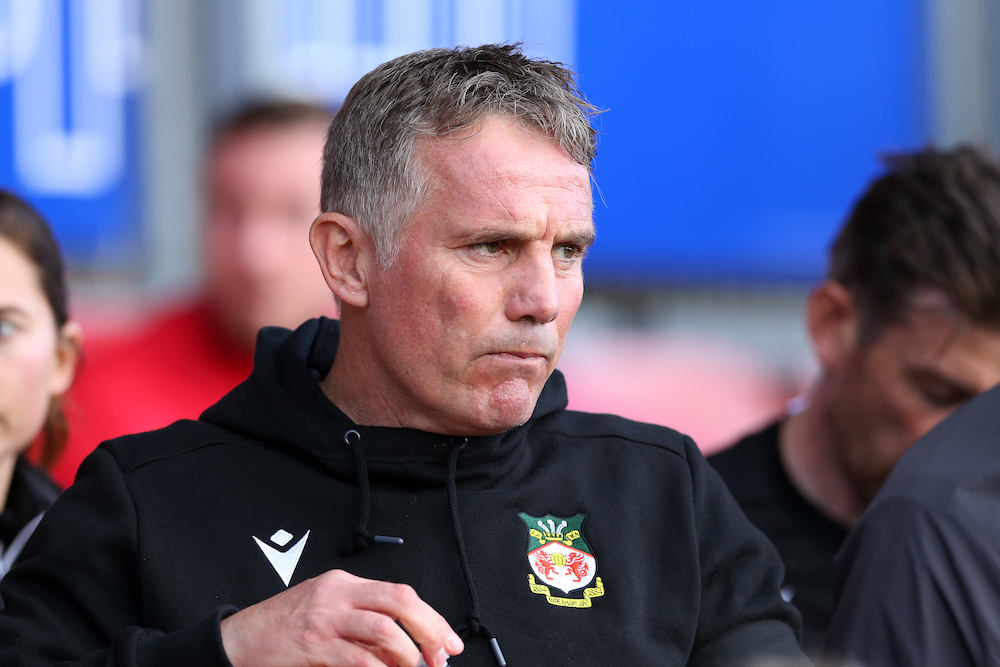
Phil Parkinson, a prominent figure in English football management, has made significant contributions to the game over his career. Known for his tactical acumen and ability to develop players, Parkinson’s career spans numerous clubs, shaping the landscape of English football at various levels. As the football season progresses, it’s important to reflect on his influence and the future of his managerial role.
Career Overview
Born on December 29, 1967, in Bedworth, England, Parkinson’s early career began as a midfielder with clubs such as Walsall and Reading. Transitioning into management, he first gained widespread recognition as the manager of Bradford City from 2011 to 2016. During his tenure, he led the team to an extraordinary run in the 2012 League Cup, reaching the final and achieving a historic victory over Arsenal in the semi-finals.
After his successful stint at Bradford, Parkinson took on the role of manager at Bolton Wanderers, where he aimed to restore the club’s former glory. Despite challenges such as financial difficulties and player turnover, Parkinson demonstrated resilience and a commitment to rebuilding the team.
Recent Developments
As of 2023, Phil Parkinson is making headlines again in the football world, now managing Wrexham AFC in the National League. Under his stewardship, Wrexham has shown signs of improvement, competing for promotion and capturing the interest of fans and media alike. The club’s ambitions have been heightened by the involvement of high-profile owners Ryan Reynolds and Rob McElhenney, adding an extra layer of excitement to Parkinson’s efforts.
Conclusion
Phil Parkinson’s journey in football management illustrates his dedication and strategic prowess, making him a significant figure in the English football scene. With his current role at Wrexham, there’s potential for remarkable achievements as the club seeks to ascend the leagues and restore its former status. For fans and aspiring managers alike, Parkinson’s career serves as a testament to hard work, resilience, and the impact of effective leadership in sports.