Introduction
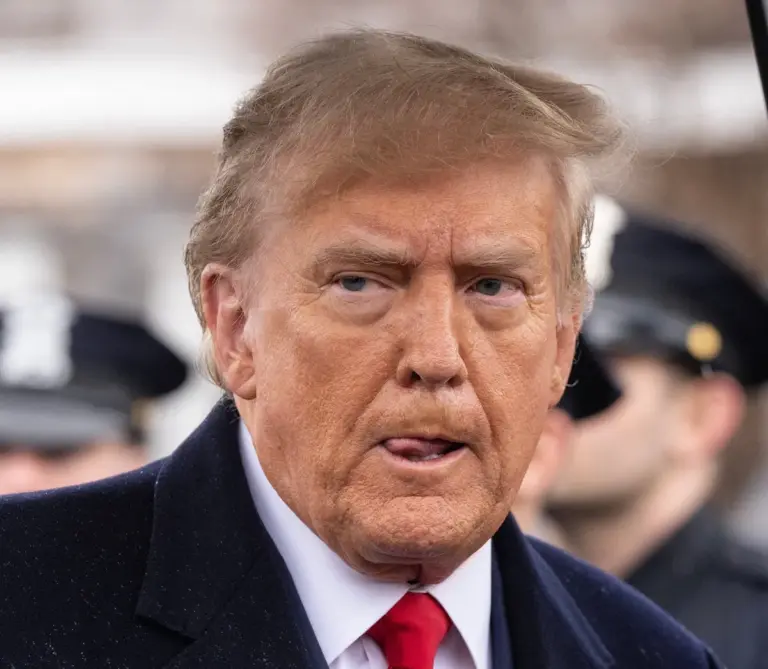
Peter Whittle, a prominent British politician and member of the UK Independence Party (UKIP), has become a crucial figure in the political landscape of the United Kingdom. Known for his outspoken views and advocacy for Brexit, Whittle represents a unique blend of traditional conservatism and contemporary political discourse. His insights continue to resonate with segments of the electorate that feel disenfranchised by mainstream politics.
Background and Political Career
Born on June 15, 1964, in Essex, England, Peter Whittle began his career in the media and arts sectors before transitioning into politics. He gained national attention in 2015 when he was elected as a Member of the London Assembly, reflecting a growing interest in his political ideas. Whittle is also known for his involvement in the media, particularly in his role as a television and radio broadcaster, which has allowed him to articulate his views to a wider audience.
Whittle’s candidacy for various positions within UKIP has brought him a distinct profile, emphasizing issues like immigration control, national sovereignty, and economic deregulation. He has advocated strongly for the party’s aim of exiting the European Union, tapping into a sentiment widespread among his constituents. His engaging style and ability to address public concerns have earned him respect among followers.
Recent Developments
In recent months, Peter Whittle has continued to be active in the political arena, speaking at various events and leveraging social media to connect with voters. His commentary on social issues and government policies often reflects his party’s commitment to a Britain free from EU directives. During the post-Brexit period, Whittle has focused on rebuilding the party’s platform to attract wider support, especially among younger voters who may be drawn to his fresh ideas.
Additionally, Whittle recently announced his candidacy for the leadership of UKIP, aiming to steer the party towards a revitalized future. His focus on tackling national issues and re-establishing the party’s relevance in British politics has garnered significant attention, particularly as the political landscape evolves in response to global challenges and domestic issues.
Conclusion
Peter Whittle’s political journey reflects a deep engagement with the concerns of everyday citizens, especially regarding Brexit and national identity. His ability to vocalize the frustrations of many has equipped him with a dedicated following. As UKIP undergoes changes to realign itself with the electorate’s demands, Whittle’s influence and leadership could play a pivotal role in shaping the party’s future strategy. For readers, understanding Whittle’s contributions enables a better grasp of the shifting political dynamics in the UK and the ongoing discourse surrounding sovereignty and governance.