Introduction
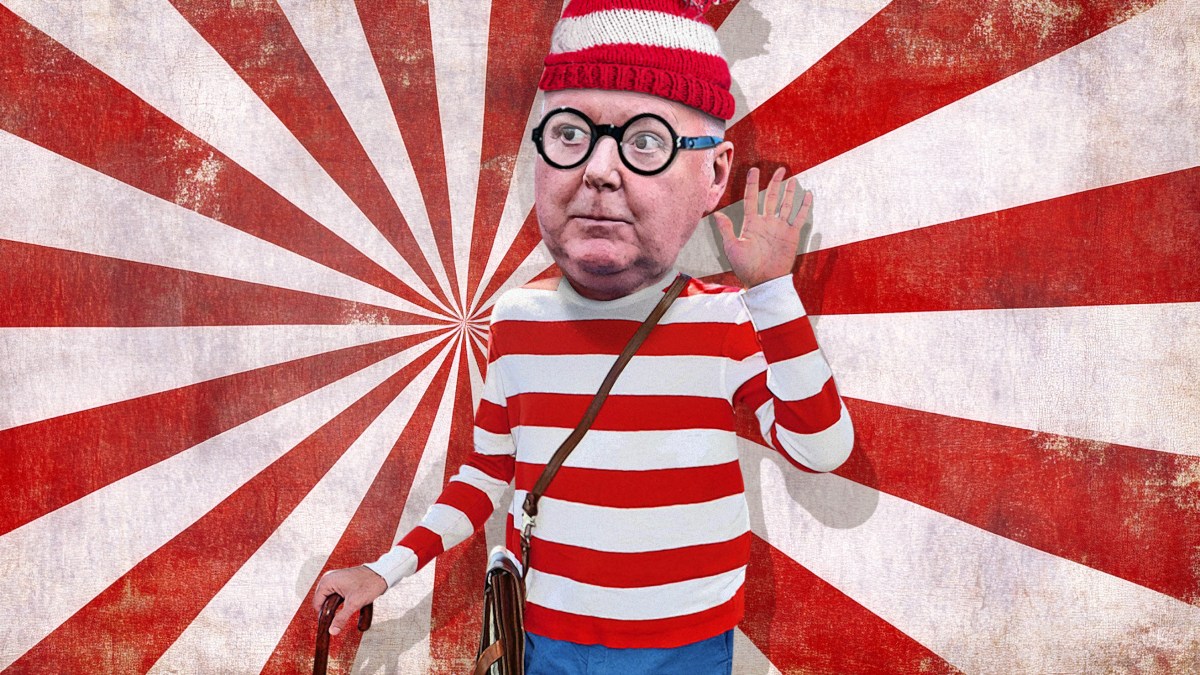
Peter Murrell, previously the chief executive of the Scottish National Party (SNP), has become a central figure in discussions surrounding Scottish politics, particularly following recent leadership changes within the party. His actions and decisions during a tumultuous period for the SNP have garnered both attention and criticism, making it essential to assess his role and the ongoing implications for Scotland’s political landscape.
The Context of Recent Events
In early 2023, the resignation of Nicola Sturgeon as First Minister and leader of the SNP marked a significant turning point in Scottish politics. Murrell, being Sturgeon’s husband, was closely associated with her leadership. His tenure at the SNP, which began in 2000, came under scrutiny as calls for transparency and accountability grew stronger in light of the party’s recent controversies regarding financial management and internal divisions.
As the SNP navigated these challenges, Murrell had faced increasing pressure from party members and the public alike. Following a police investigation into the party’s finances, resulting in several high-profile resignations, Murrell announced his resignation as chief executive in March 2023, which many hailed as a necessary step towards restoring trust within the SNP.
Details of the Investigation and Its Fallout
The investigation, which began in 2021, focused on the use of approximately £600,000 raised for Scottish independence campaigning. There were allegations suggesting that funds might have been misused, leading to a broader inquiry into the SNP’s financial practices. Murrell’s resignation coincided with these developments, prompting discussions about leadership dynamics and future strategies for the party. His departure signaled a potential shift, as the SNP aimed to strengthen its credibility and unity in preparation for upcoming elections.
During Murrell’s time with the SNP, he played a crucial role in expanding the party’s reach, contributing to its position as a dominant force in Scottish politics. However, these recent controversies indicate a need for reform and revitalisation as the party looks to recover from the impact of these events.
The Future of the SNP and Scottish Politics
Looking ahead, the SNP faces pivotal choices regarding its leadership and direction. As the party seeks to rebuild its image, the emergence of a new leadership team, including Humza Yousaf as the new First Minister, will be watched closely. Their strategies moving forward will be essential in shaping both party cohesion and Scotland’s push for independence.
Conclusion
Peter Murrell’s resignation serves as a catalyst for a period of reflection and potential reform within the SNP. The implications of his departure highlight the intricate ties between personal relationships and political responsibilities. For readers and observers of Scottish politics, the forthcoming changes will be crucial to watch, as they will significantly influence Scotland’s political landscape and the future of the independence movement.